Introduction
Photographic darkrooms are wonderful and fascinating places to be in. They are more than just places of technical photographic printing, they’re places of belonging, expression and community, and the darkrooms here at Four Corners have a history of just that.
By taking a dive into the fantastic online and physical archive of Four Corners (held at the Bishopsgate Institute), I discovered hidden treasures from annual reports, posters, photographs and ephemera (such as leaflets & flyers) that gave exciting insights into the life and history of the darkrooms, especially, during the 1980s when the building and darkrooms belonged to Camerawork.
The original darkrooms began with the Half Moon Photography Workshop (HMPW) in 1977 when they leased the ground floor and basement of 119 – 121 Roman Road, Bethnal Green. The ground floor was converted into a gallery/office space, and the basement was converted into several darkrooms in 1978. HMPW was later renamed Camerawork in 1981 and today the same building and darkrooms are now home to Four Corners Gallery.
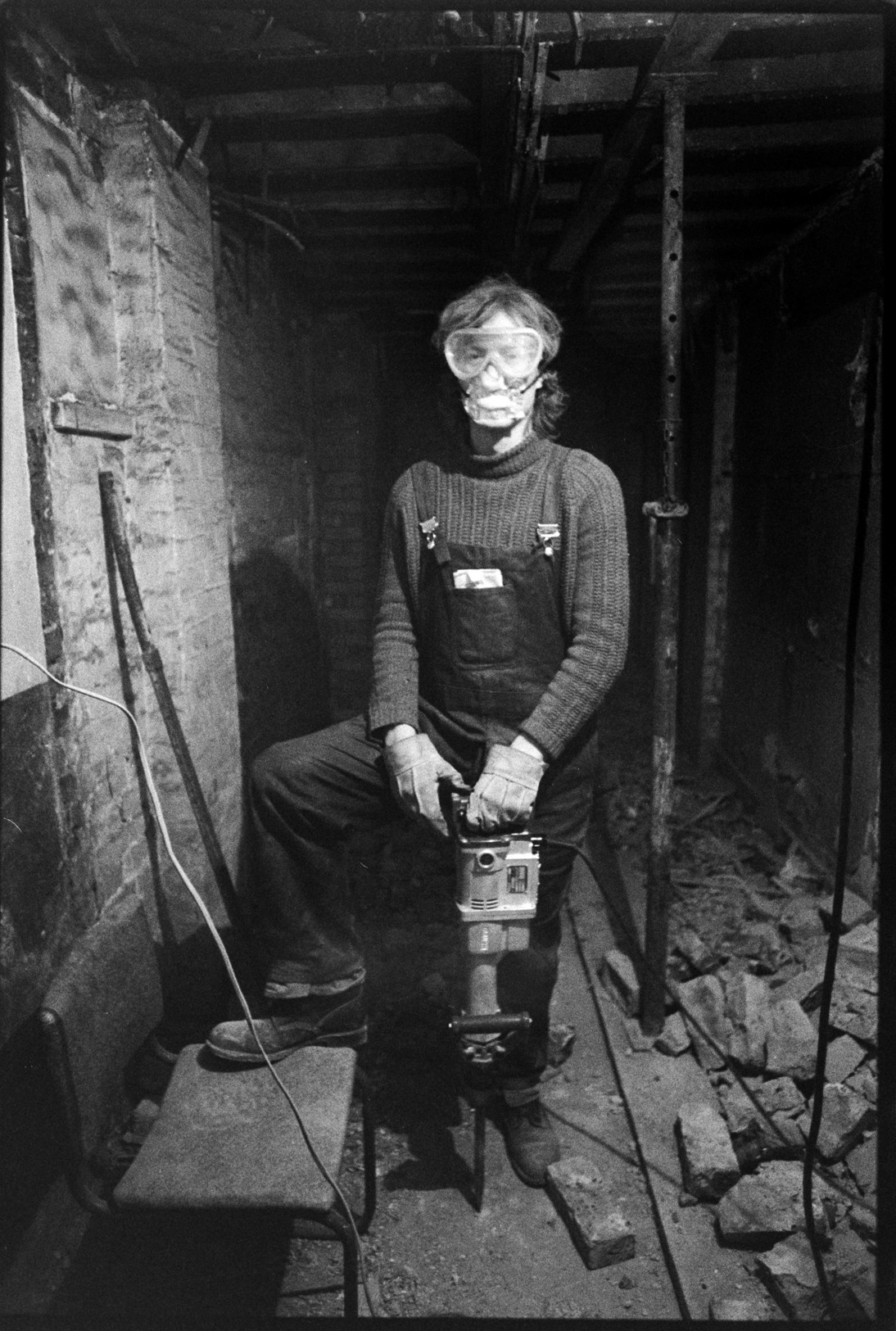
From piecing together information from the archives, I have brought together a mini series of three segments that shed light on: darkroom workshops/ courses, darkrooms users and involvement between the darkroom and gallery space during the 1980s. These key elements highlight the social and collaborative narrative of the darkroom at that time and give an insight into the darkrooms’ social, educational involvement with the local communities.
Part 1. Darkroom Courses and Workshops
During the 1980s, Camerawork offered various darkroom workshops for beginner,
intermediate, and advanced users. These were available to anyone and everyone who
wanted to learn and experiment amongst a creative community. Many workshops were also
specifically designed for women-only, immigrant, unwaged and LGBTQ+ communities –
allowing for expression within a safe and supportive environment.
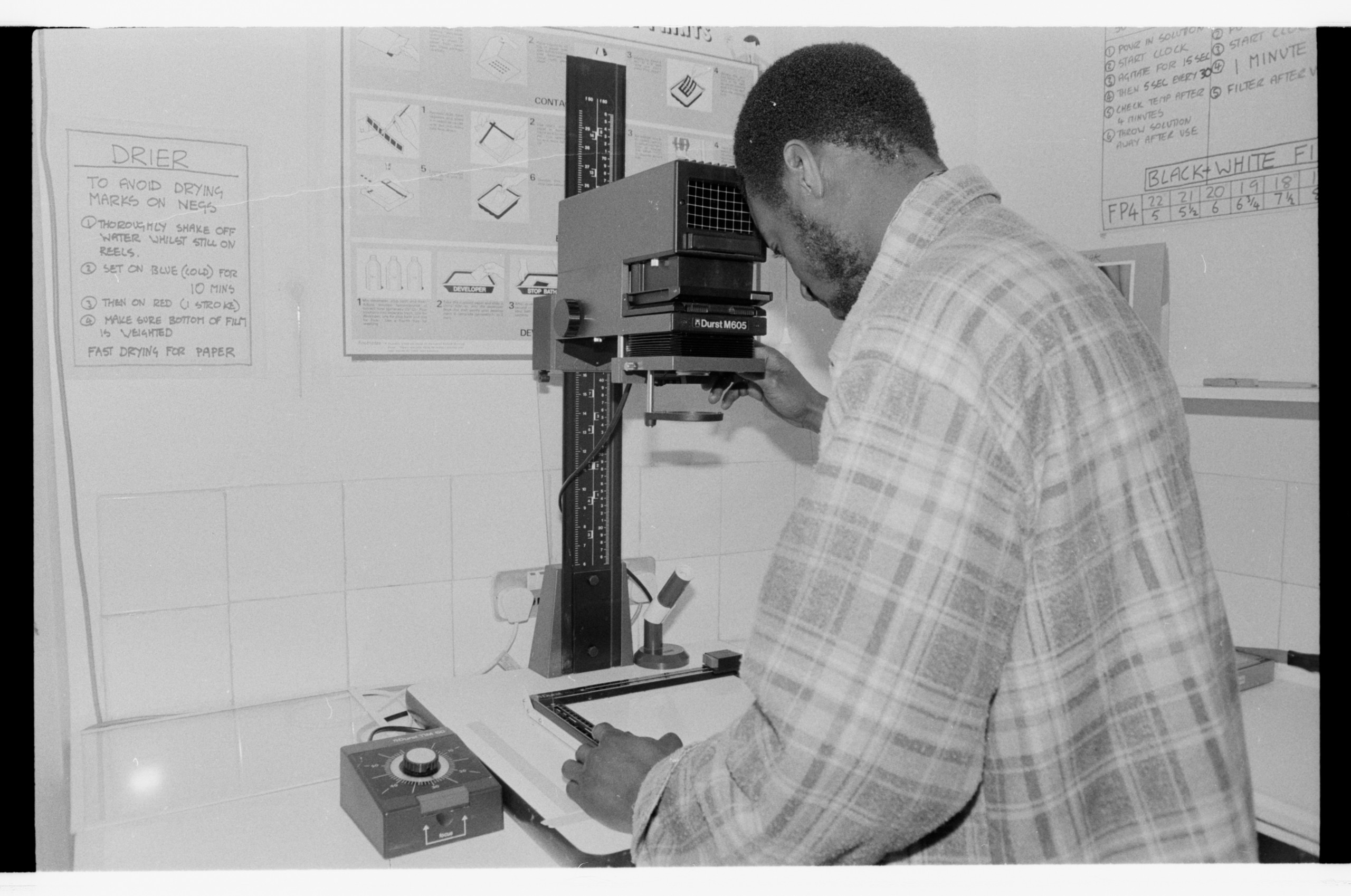
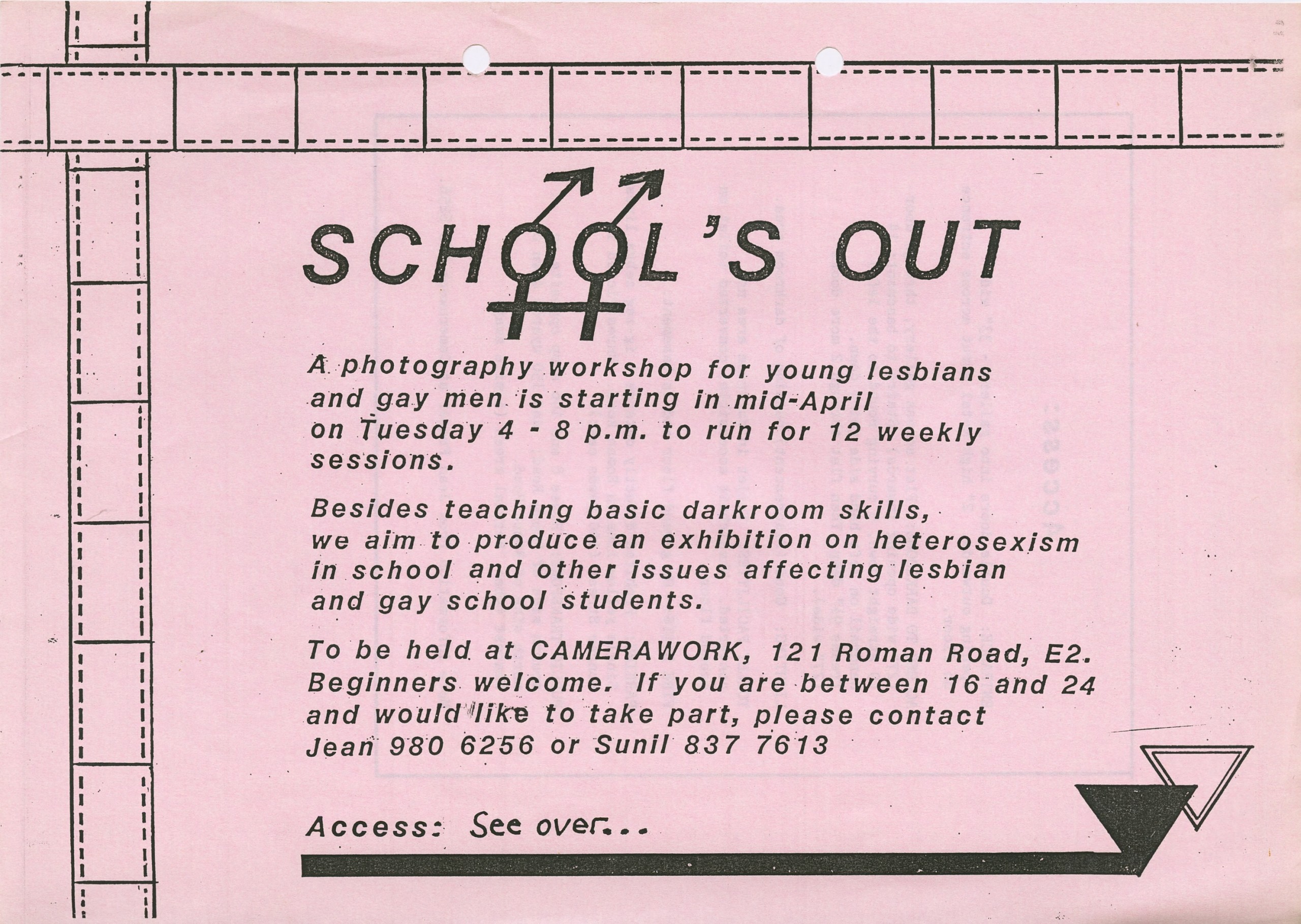
Inclusivity guided Camerawork’s darkrooms workshops and in 1985, the gallery held a
workshop called ‘School’s Out,’ a 12-week course for young lesbian and gay
photographers. This workshop taught darkroom skills and also helped participants talk
about challenges, issues and heterosexism that gay and lesbian students faced in schools.
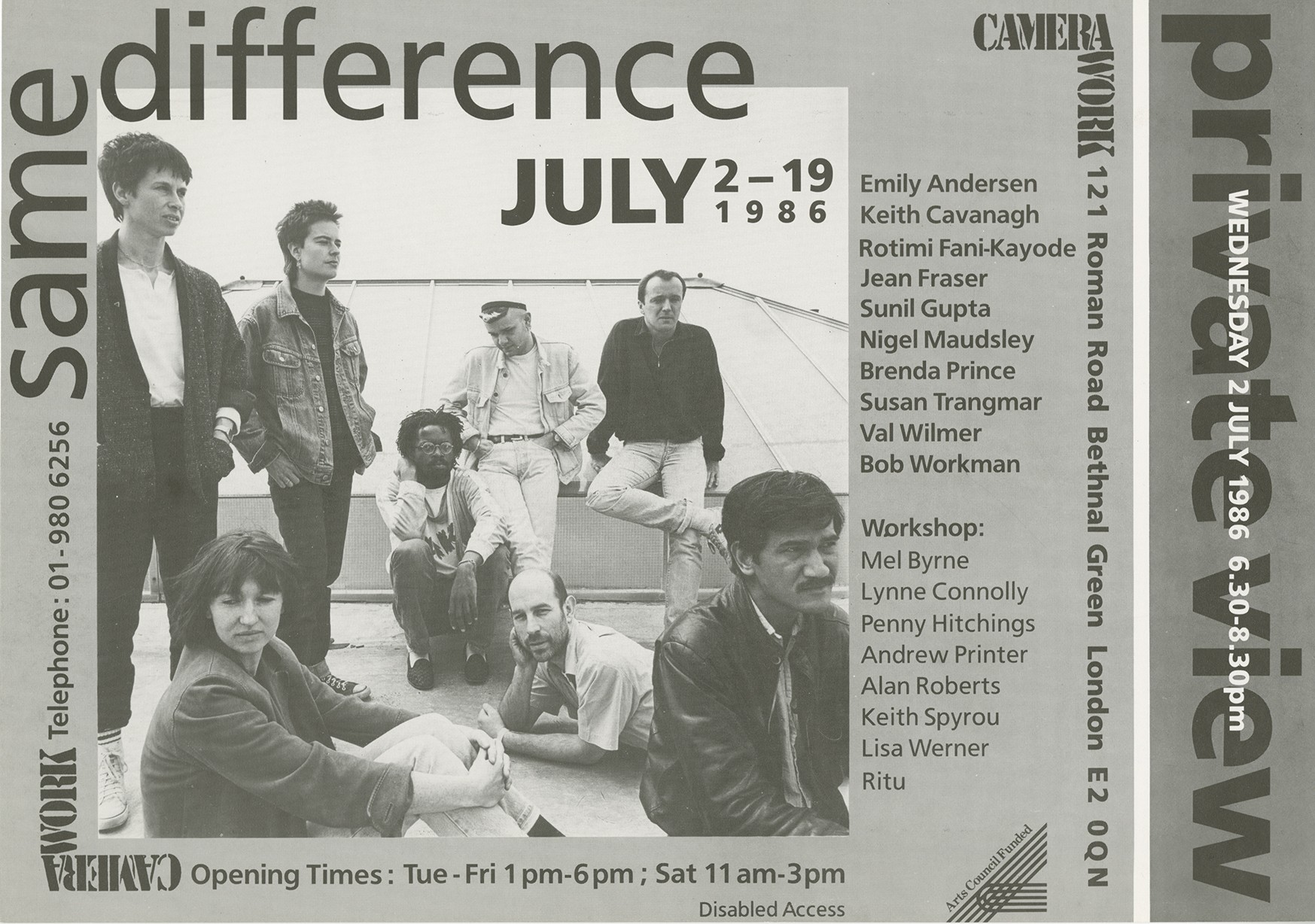
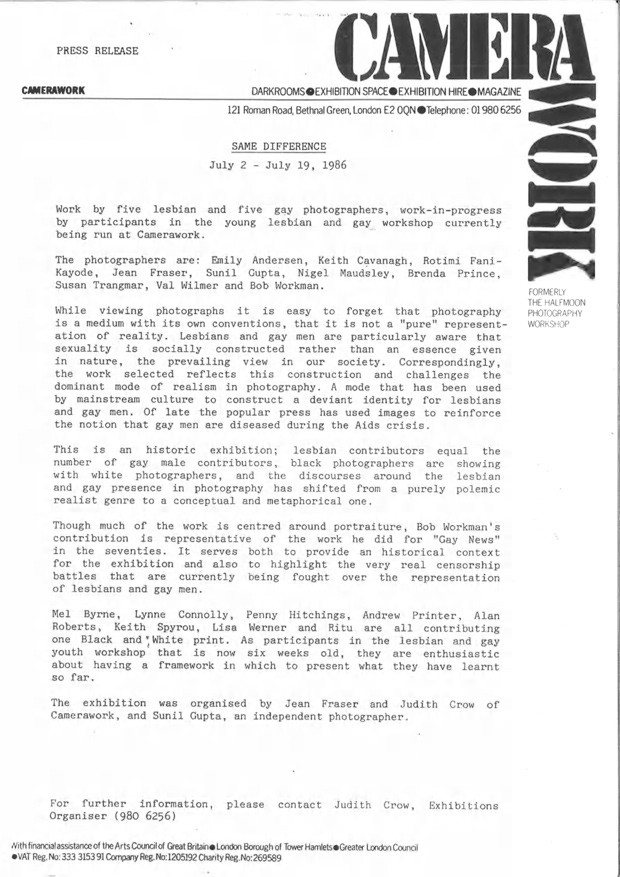
Workshops often ended with exhibitions within the Camerawork gallery. In July 1986, the
exhibition ‘Same Difference’ emerged from a six-week lesbian and gay youth workshop. The
ten photographers involved showcased their work in the exhibition, which challenged the
social constructs of sexuality and the idea of ‘realism’ in photography.
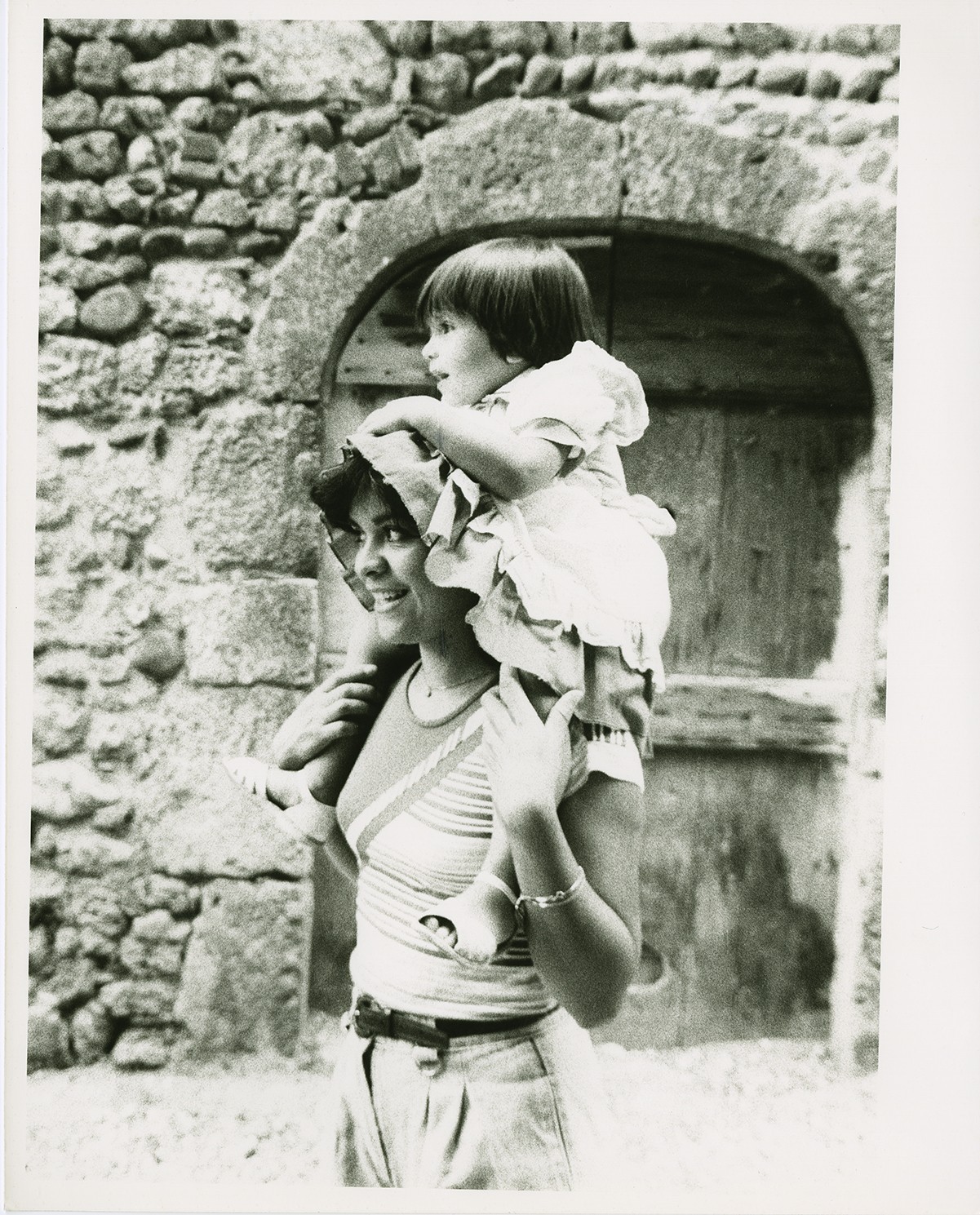
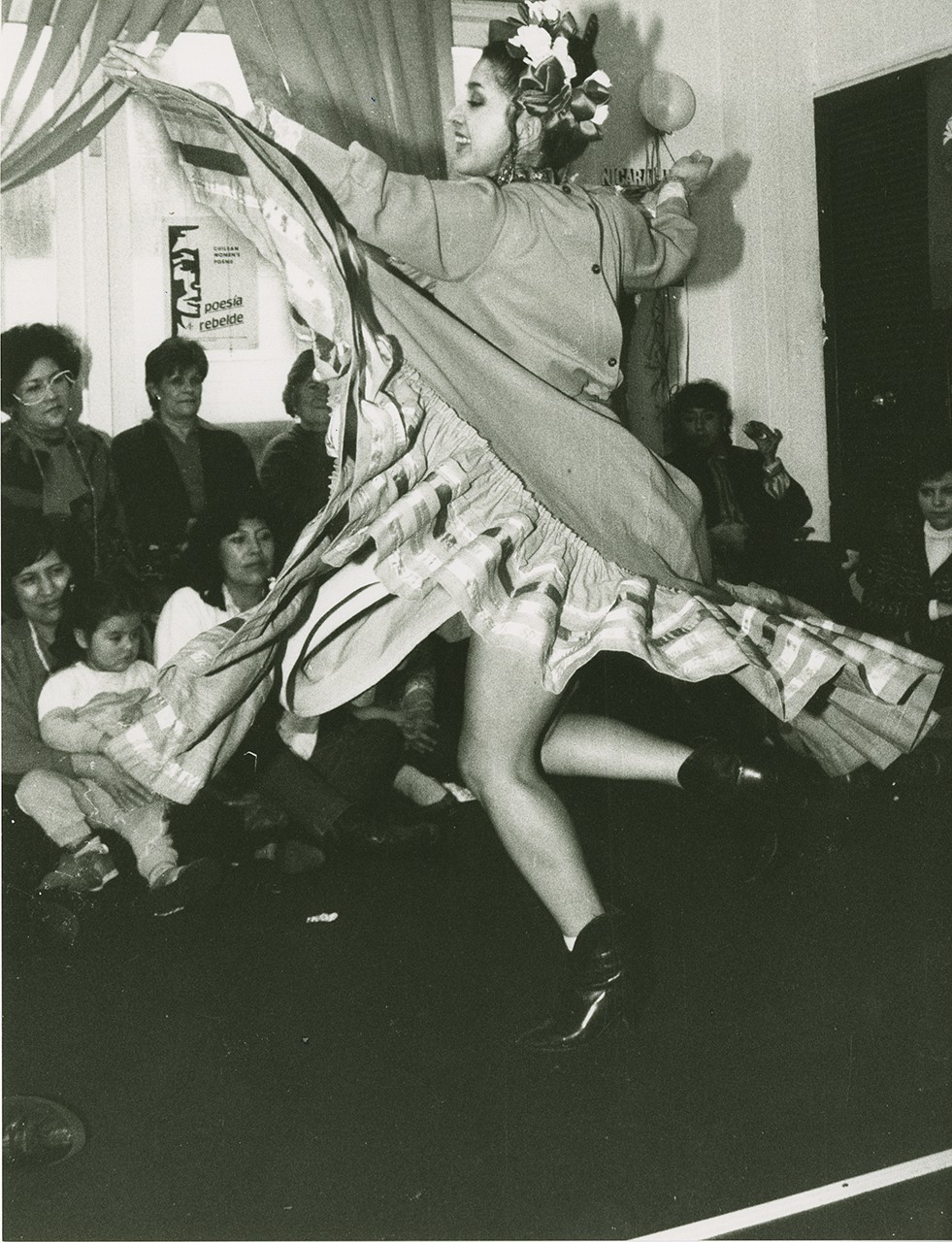
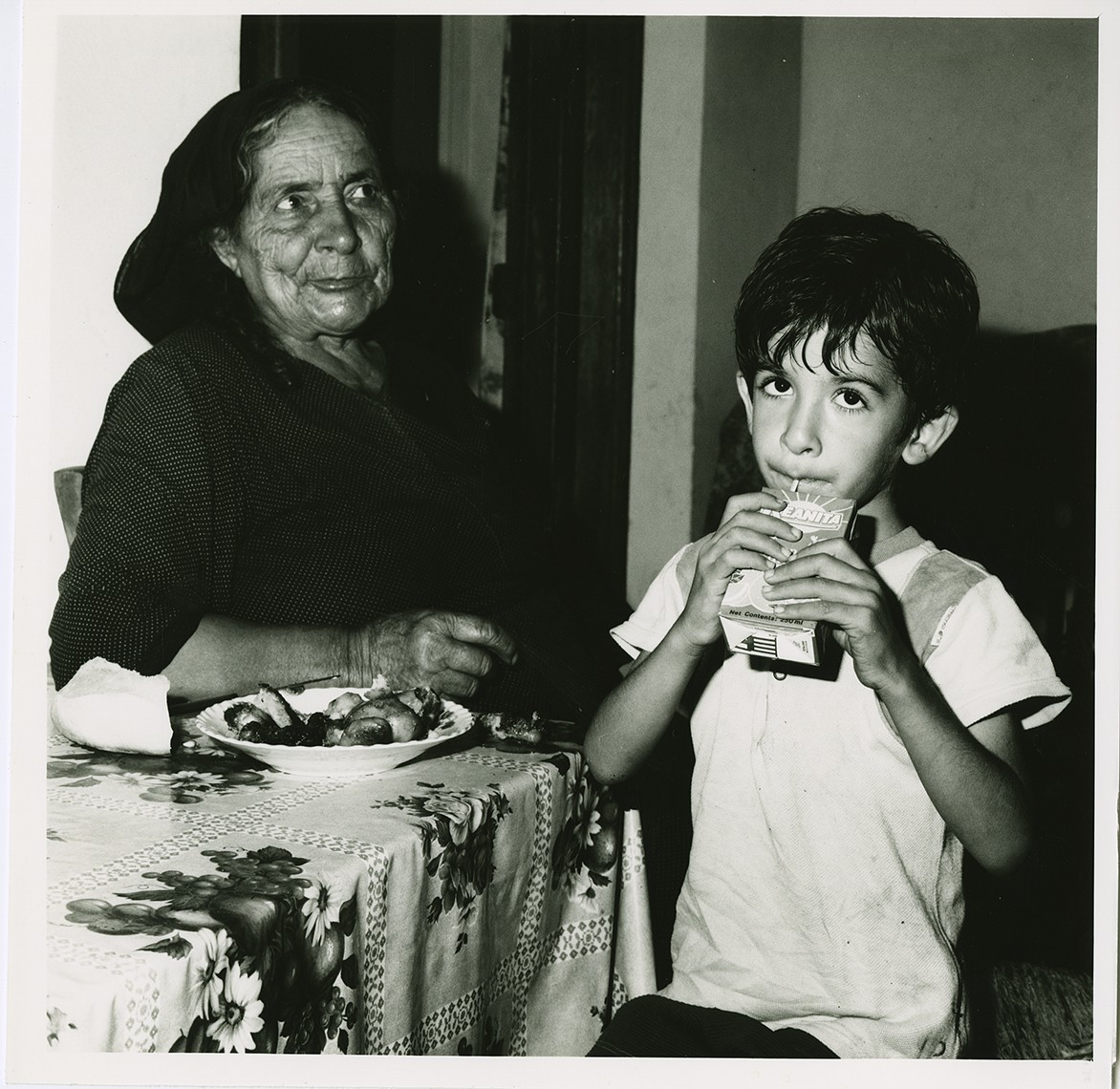
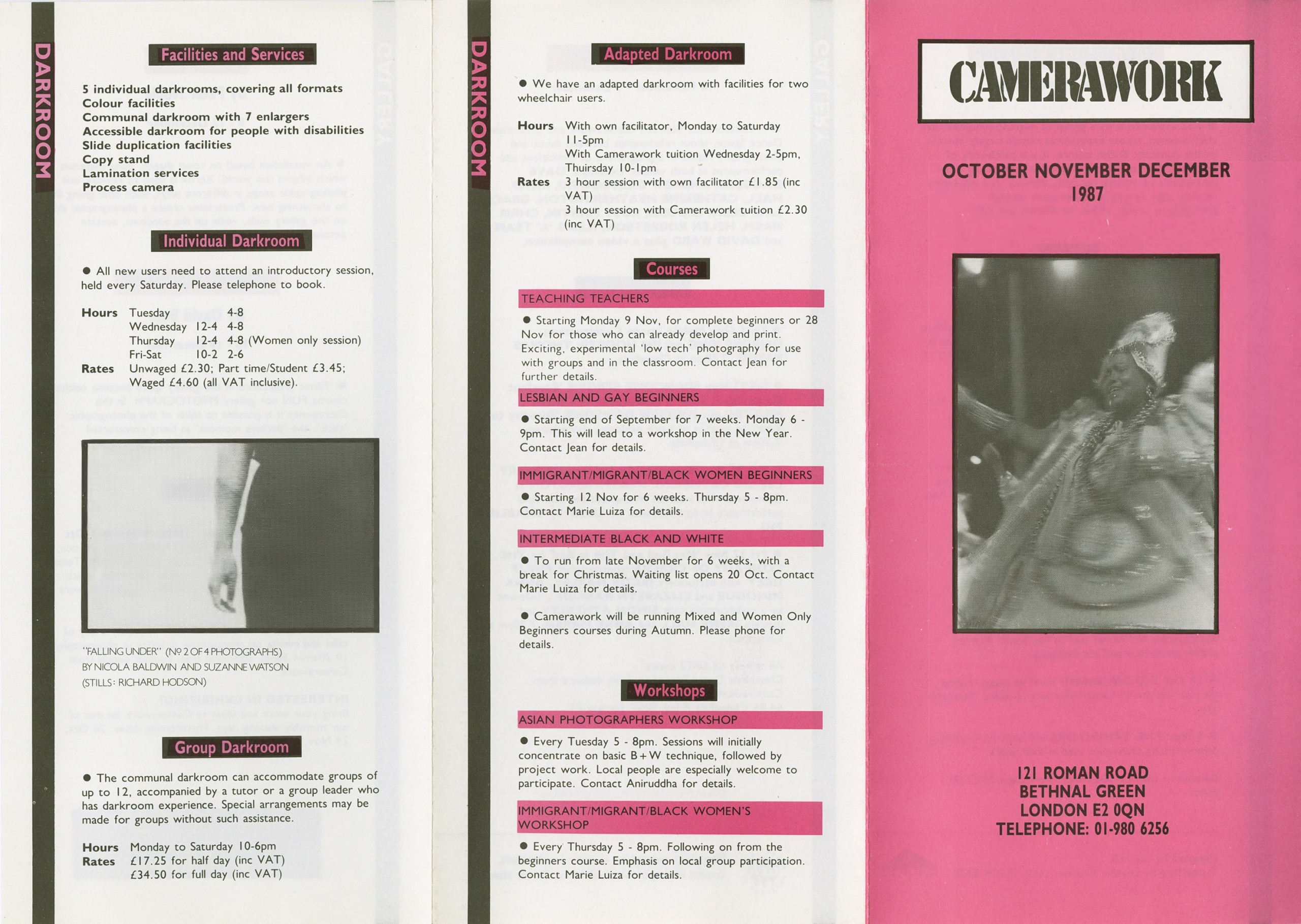
Another highlight of the darkroom was its support for marginalised communities. Weekly
darkroom courses were held for immigrant, migrant, and Black women, along with a
workshop led by Maria Luiza de Melo Carvalho, who started as a darkroom worker at
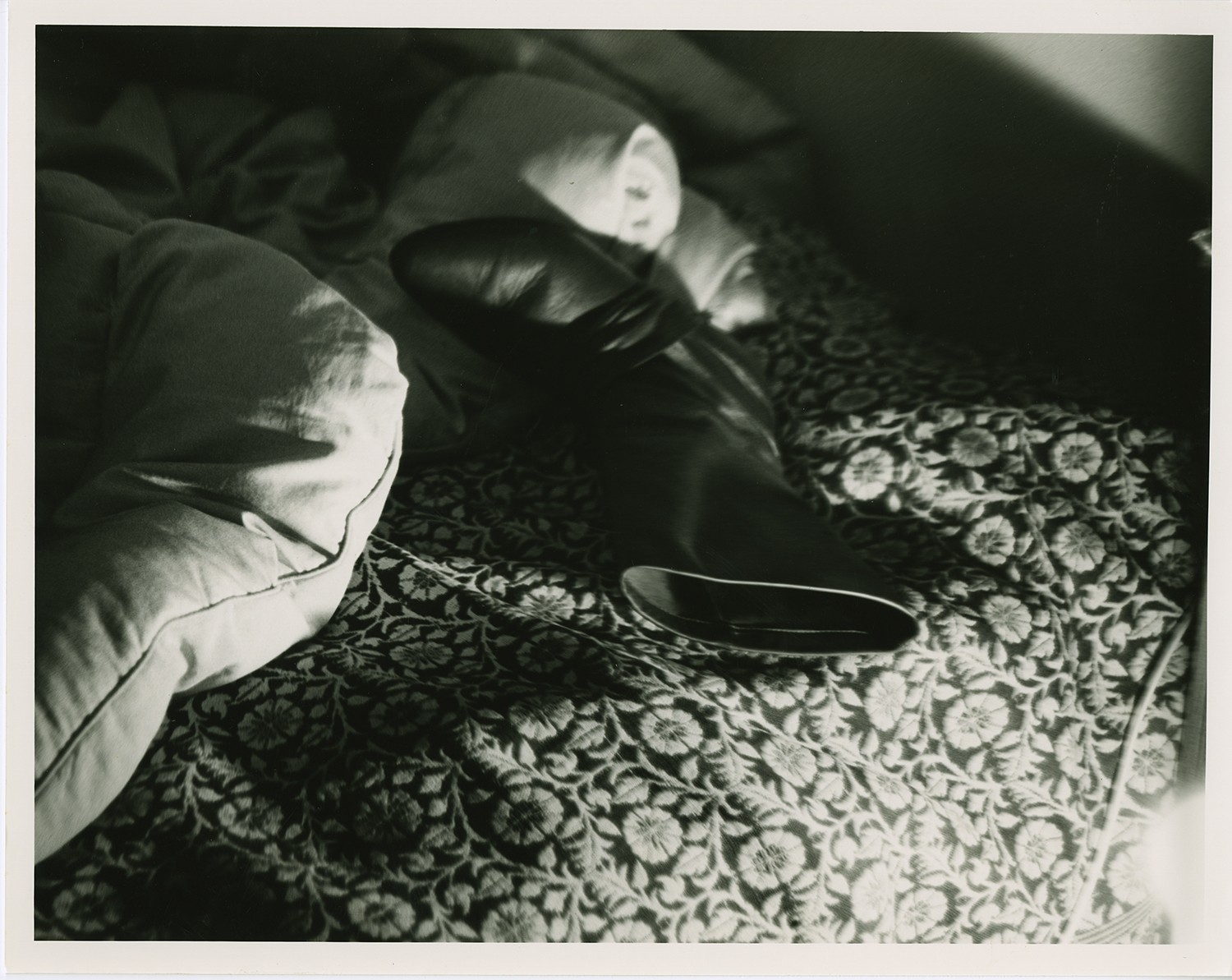
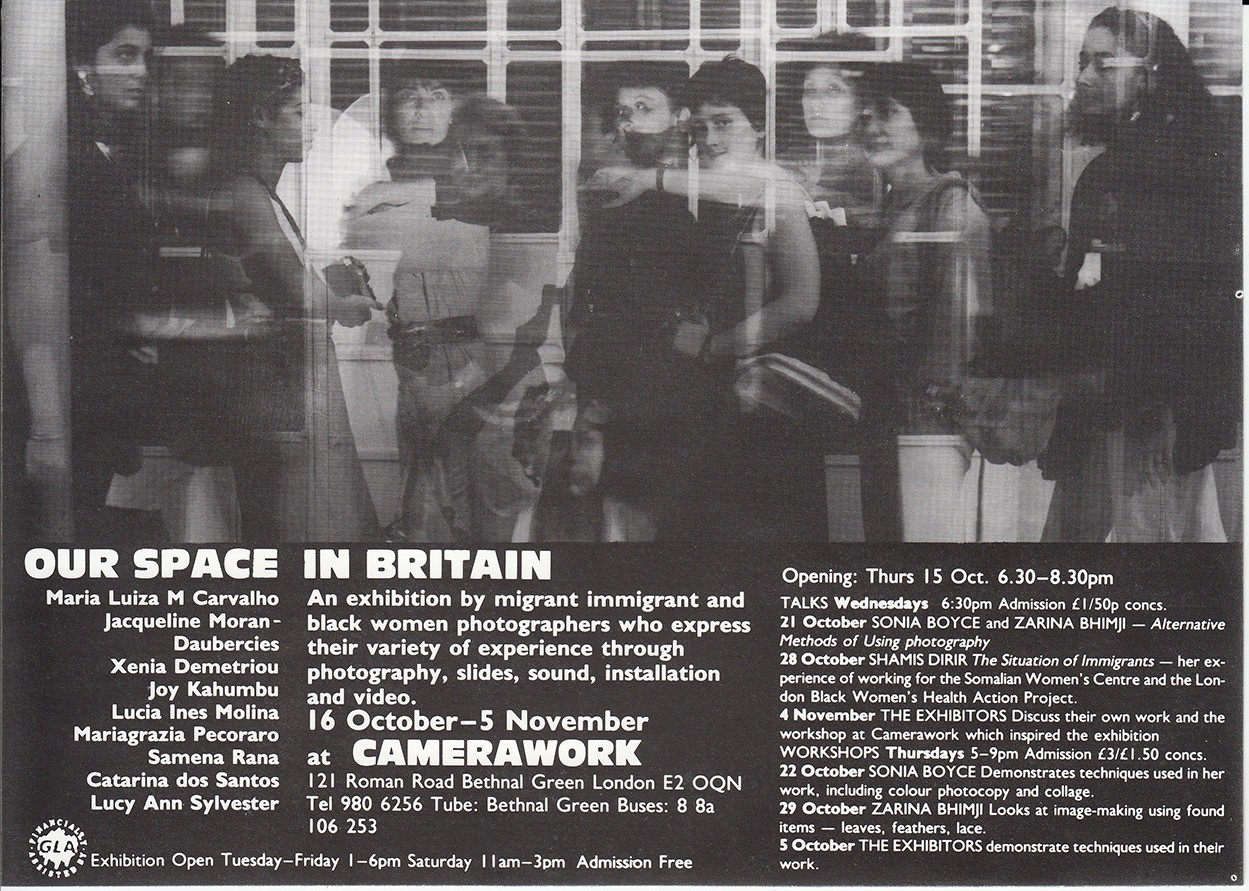
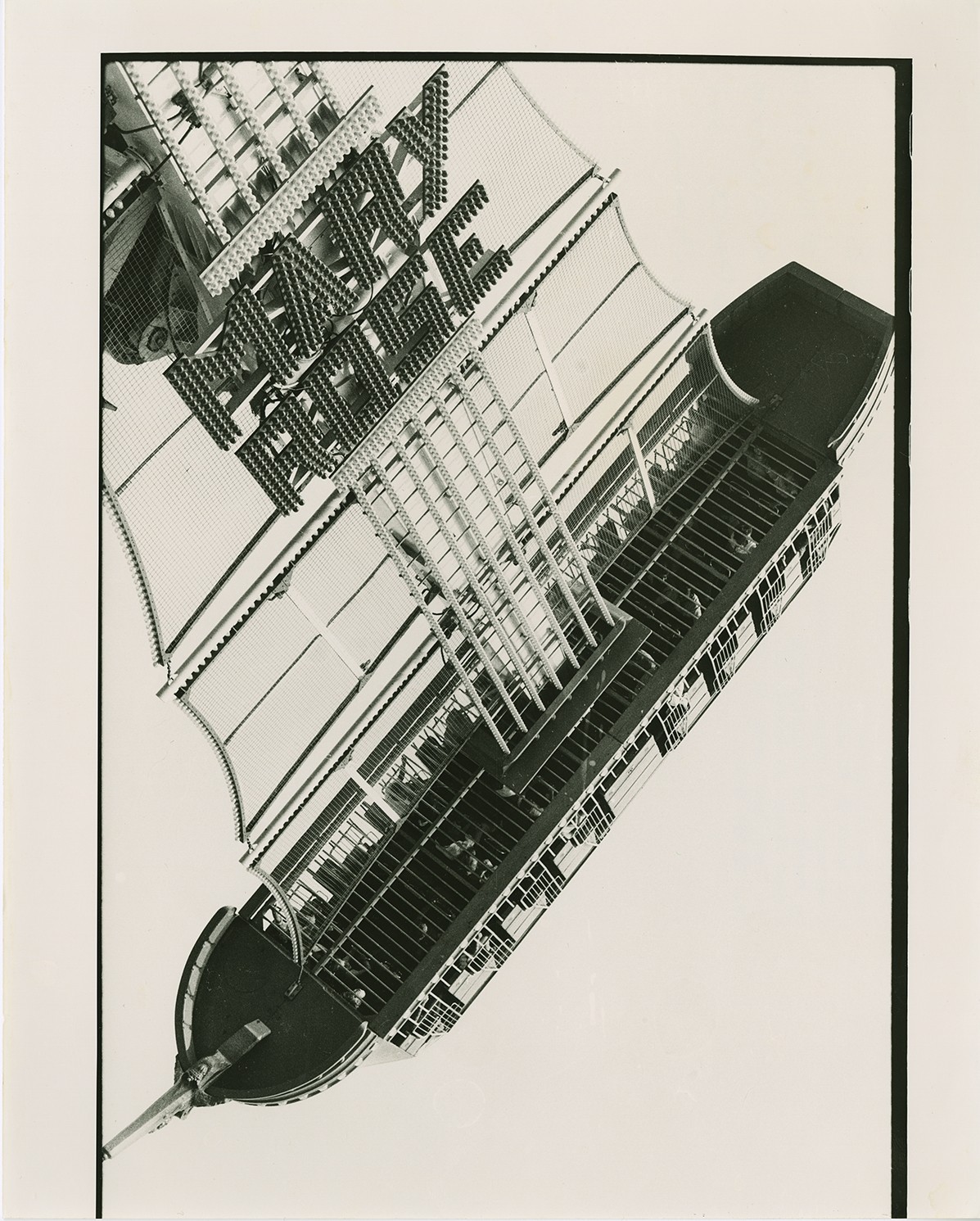
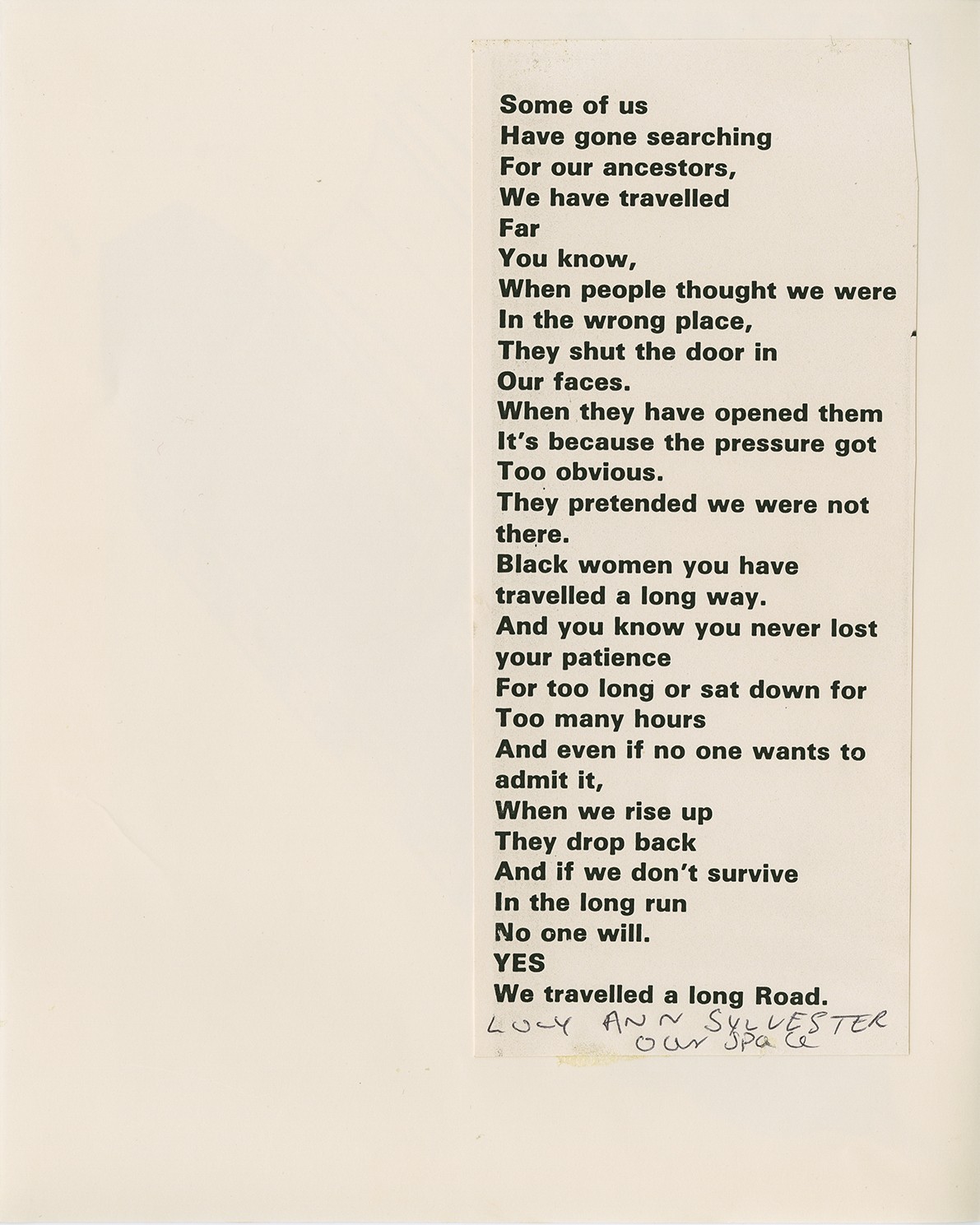
Camerawork. This incredible workshop created the exhibition ‘Our Space in Britain’ held
within the Camerawork gallery, October-November 1987. This major show displayed the
creative voices and perspectives of the women involved, affirming the darkroom’s role as a
space for empowerment and expression.
A special issue of the Camerawork magazine was created for ‘Our space in Britain’ and fully
dedicated to their work, which can be viewed here.
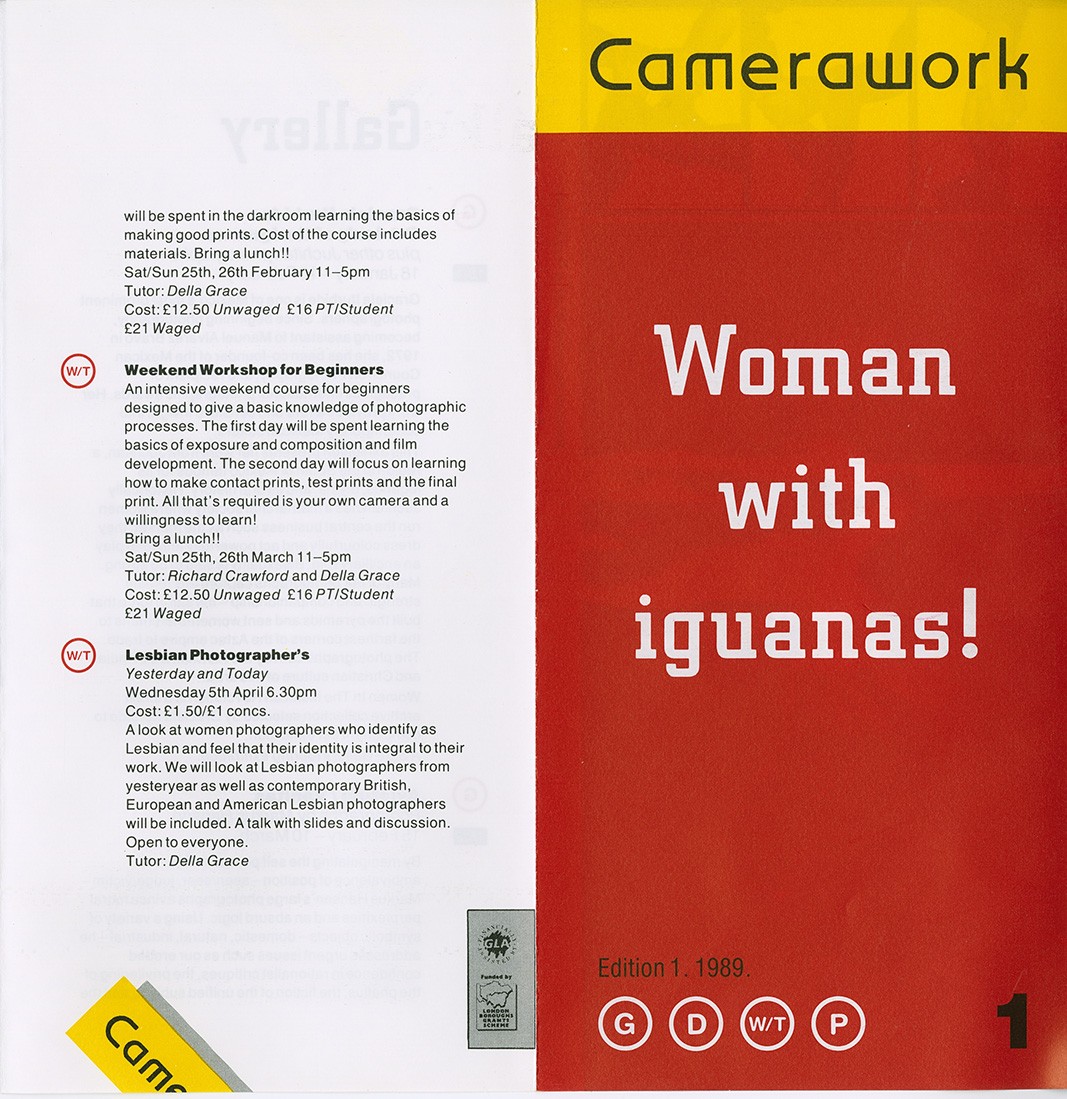
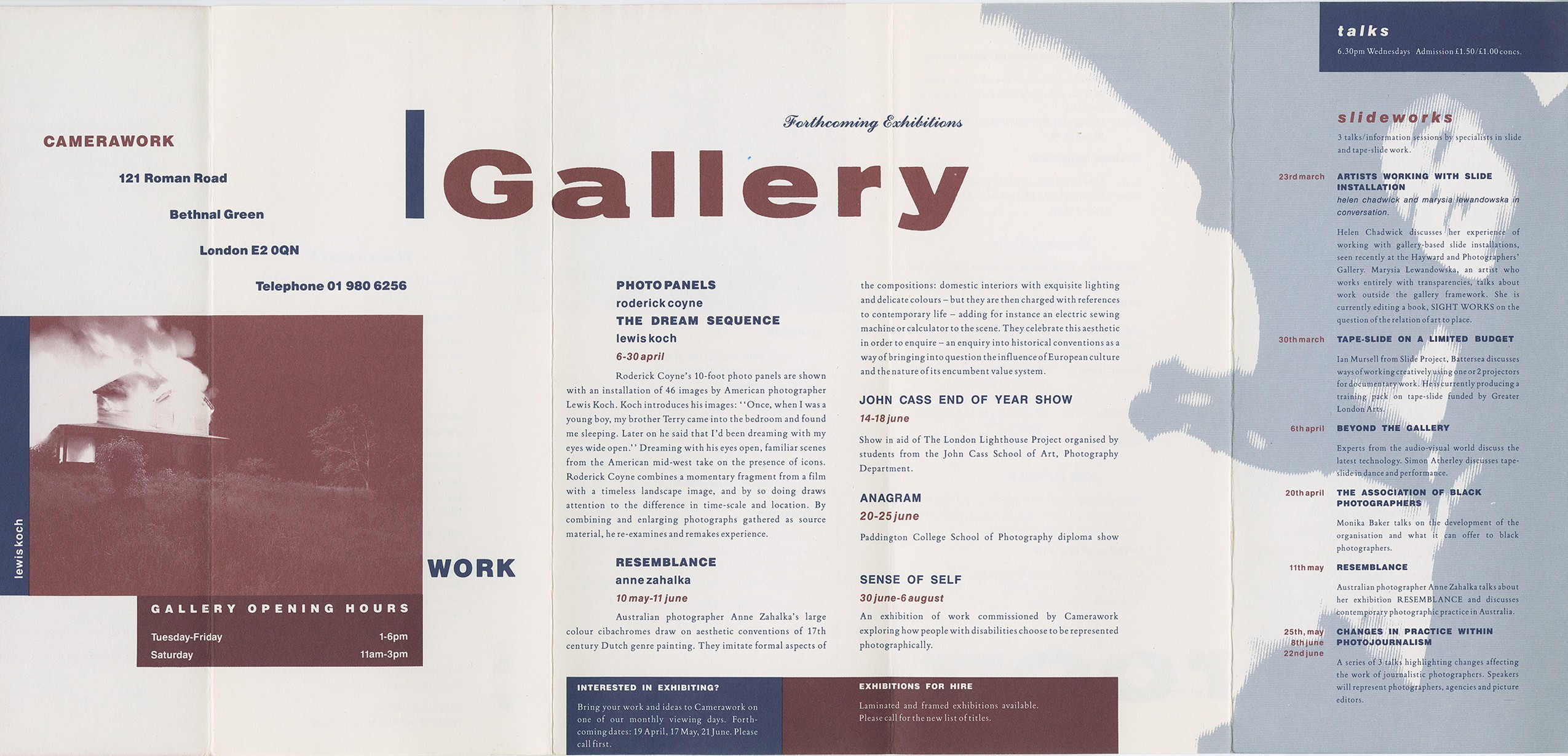
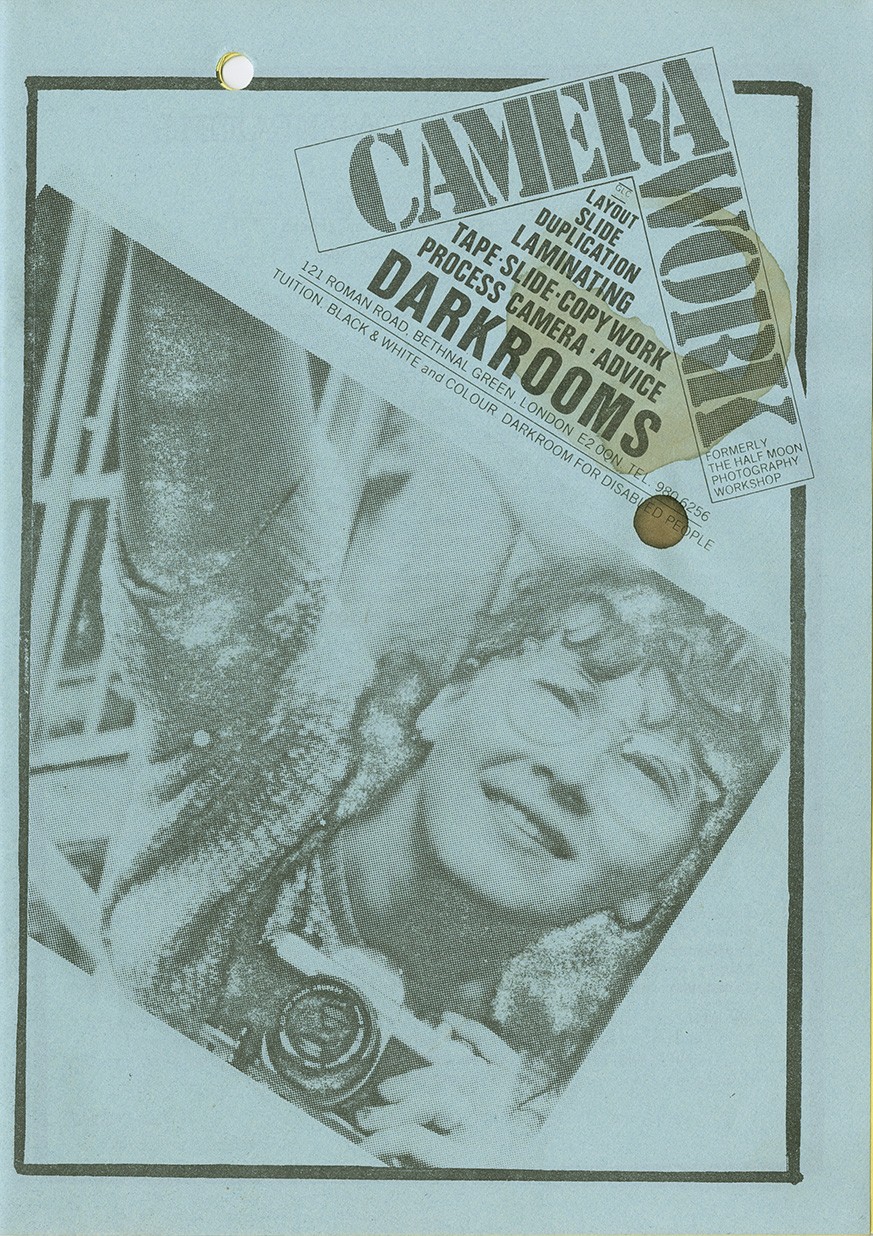
Camerawork’s commitment to outreach and education was further embodied in the many
leaflets, booklets, and flyers produced to promote the darkrooms and their workshops.
These materials not only advertised courses but also provided valuable insights into the
range of opportunities available.
Thursdays were reserved as women-only days, which included sessions held in the individual darkrooms. Having specific days and workshops available for
women-only, unwaged, or marginalised communities, for example, was important, as they
provided people with equal, non-discriminatory opportunities to learn photographic film
and darkroom practices. These were the tools people could use to express themselves and
tell their stories radically and creatively through photography. The workshops also
encouraged social engagement and brought local communities together through
collaborative exhibitions.
This article was written by Charlie Stanley who is an emerging museum professional specialising in collection care and cultural heritage digitisation. Charlie currently works at the British Museum and was previously at the Victoria and Albert Museum. Alongside her professional practice, she has a strong passion for film photography and darkroom’s which led her to explore the Four Corners archive and draw together the research behind this mini series as part of her final project for the MA in Museums, Galleries and Contemporary Culture at the University of Westminster.
Read the next post in this series on our Darkrooms here.