The Darkrooms and the Gallery
There were times in Camerawork when the relationship between its darkrooms and gallery
was uneasy, and it regularly felt as though the two spaces operated separately rather than
collaboratively. To address this, Camerawork focused on bringing the darkroom into the
heart of the gallery, not only through workshops but also by creating broader exhibitions
that engaged a variety of darkroom users.
One important change was inviting darkroom users to show their work in the gallery. This
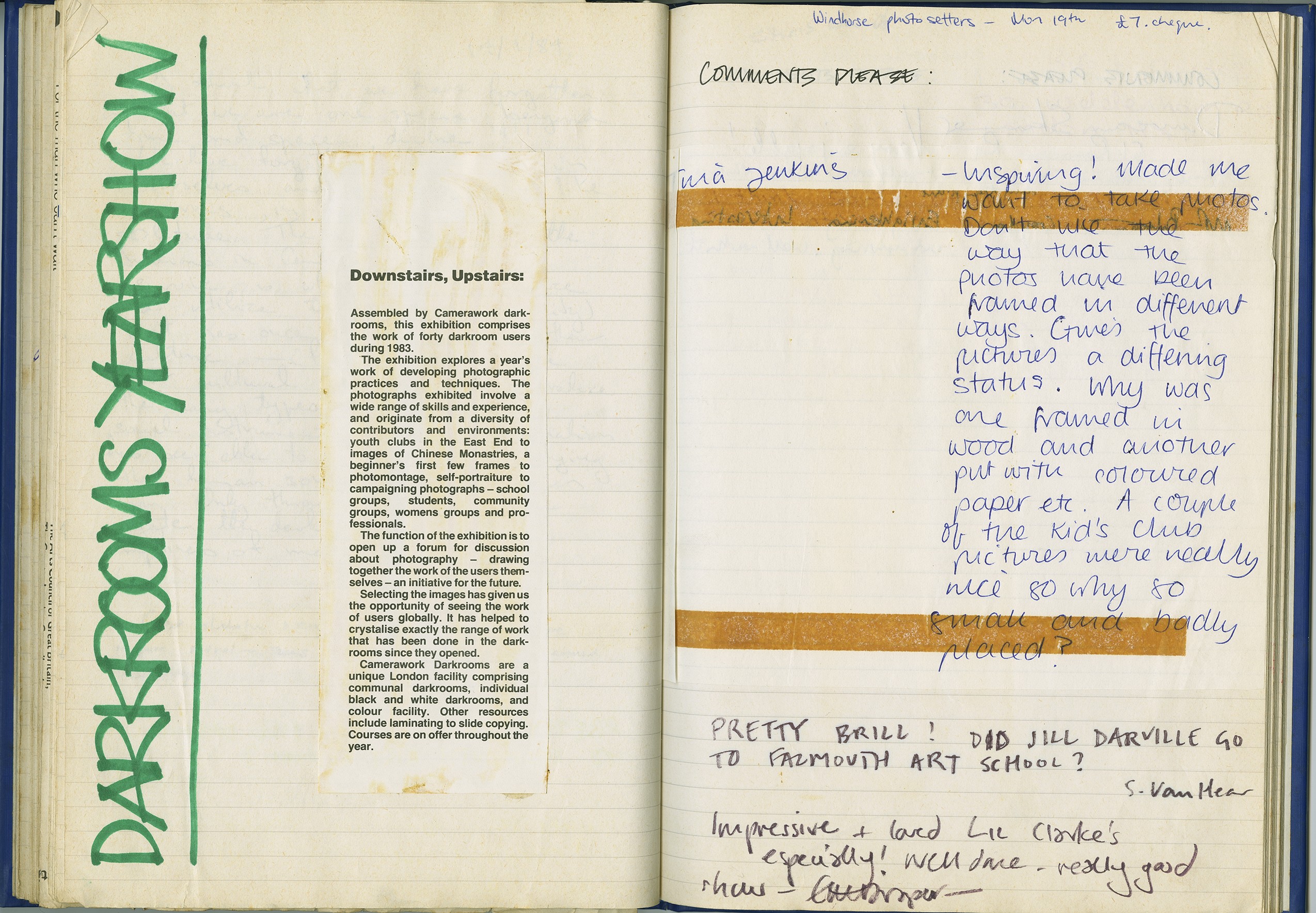
led to the 1983 exhibition called Downstairs, Upstairs: The Darkroom Year Show. Over forty
people participated, sharing a year’s worth of darkroom projects. The show highlighted the
community’s diversity and the range of creative ideas that developed there. Seventy per
cent of the contributors were women, indicating the success of the women-only Thursdays.
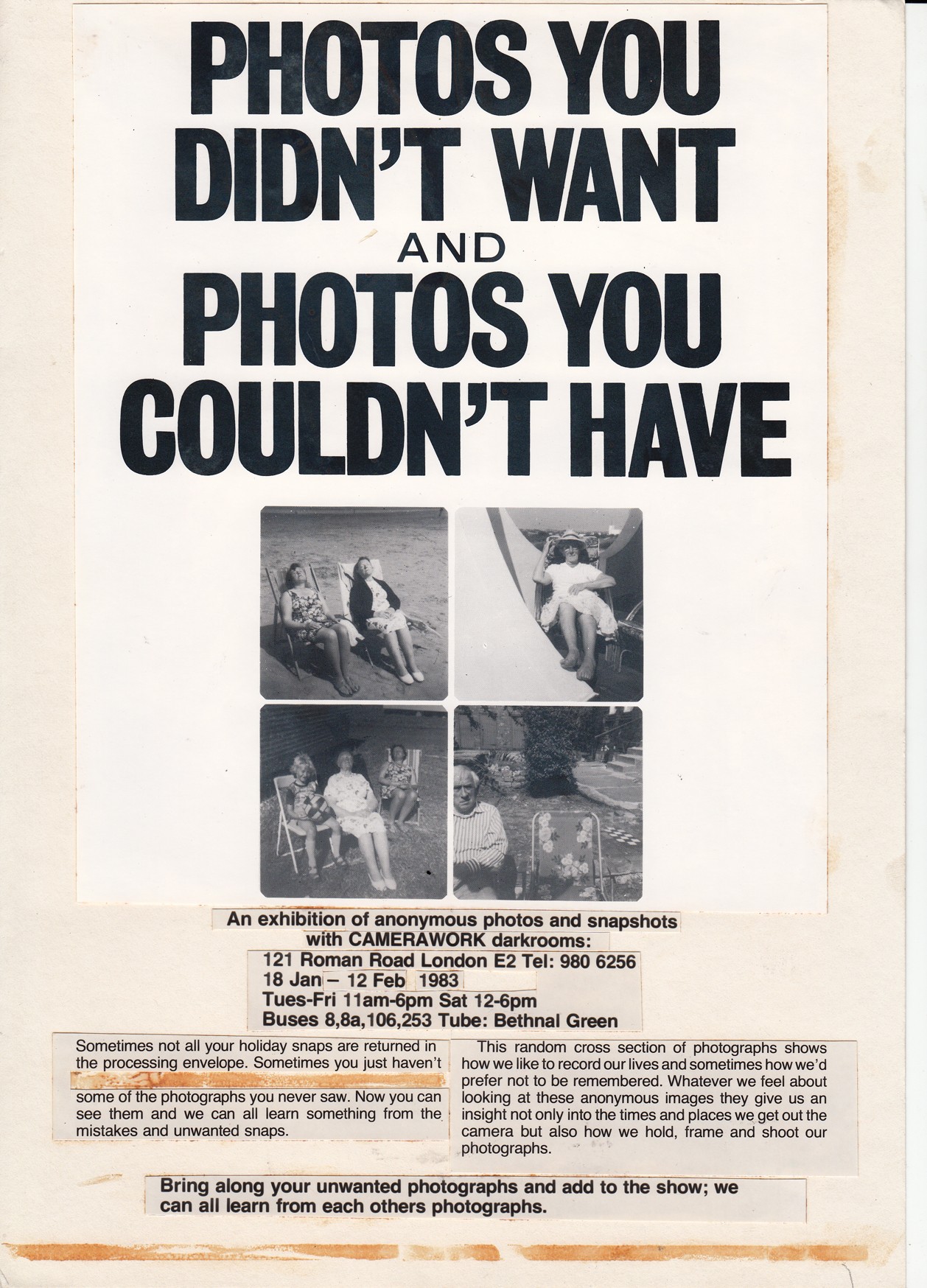
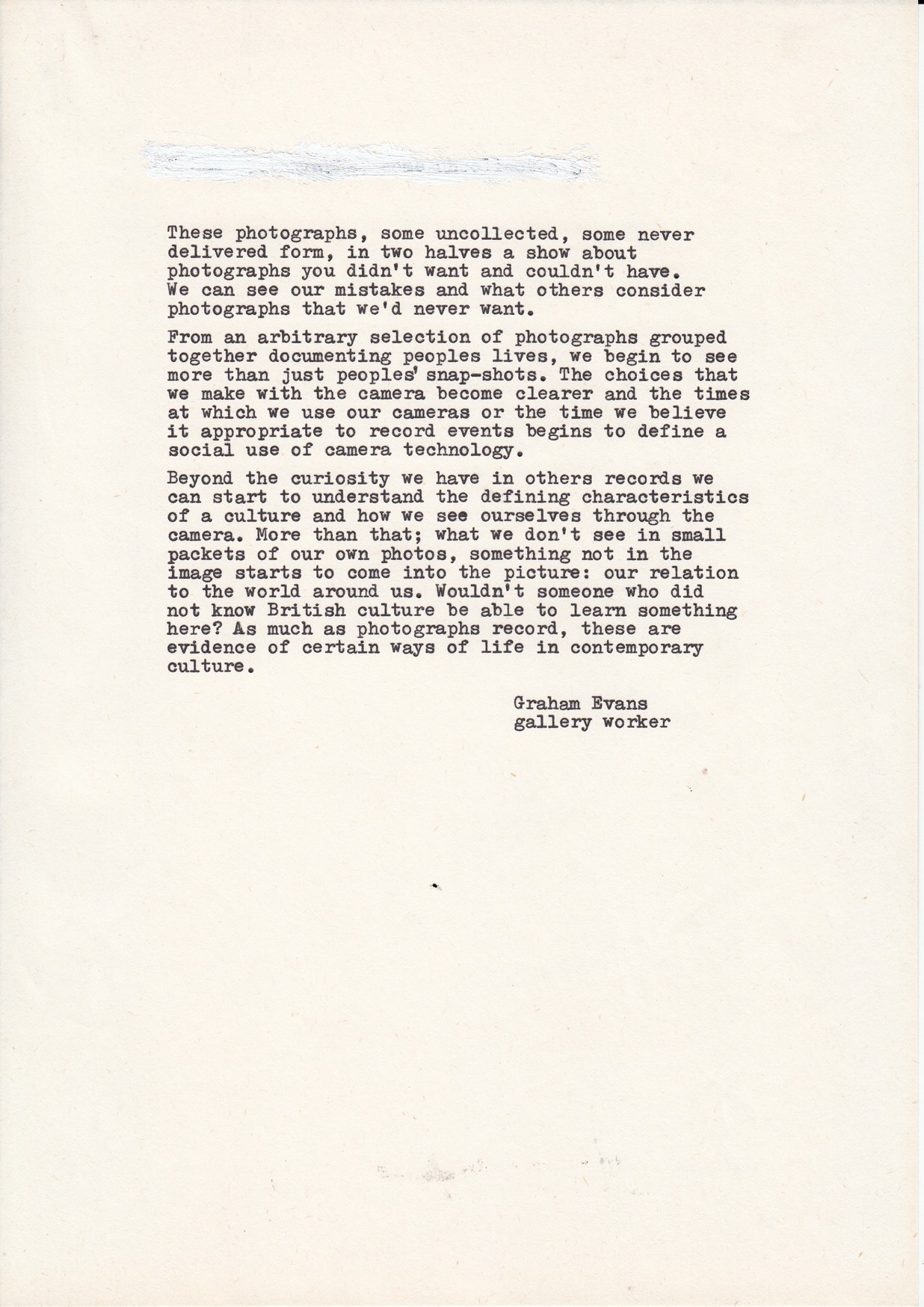
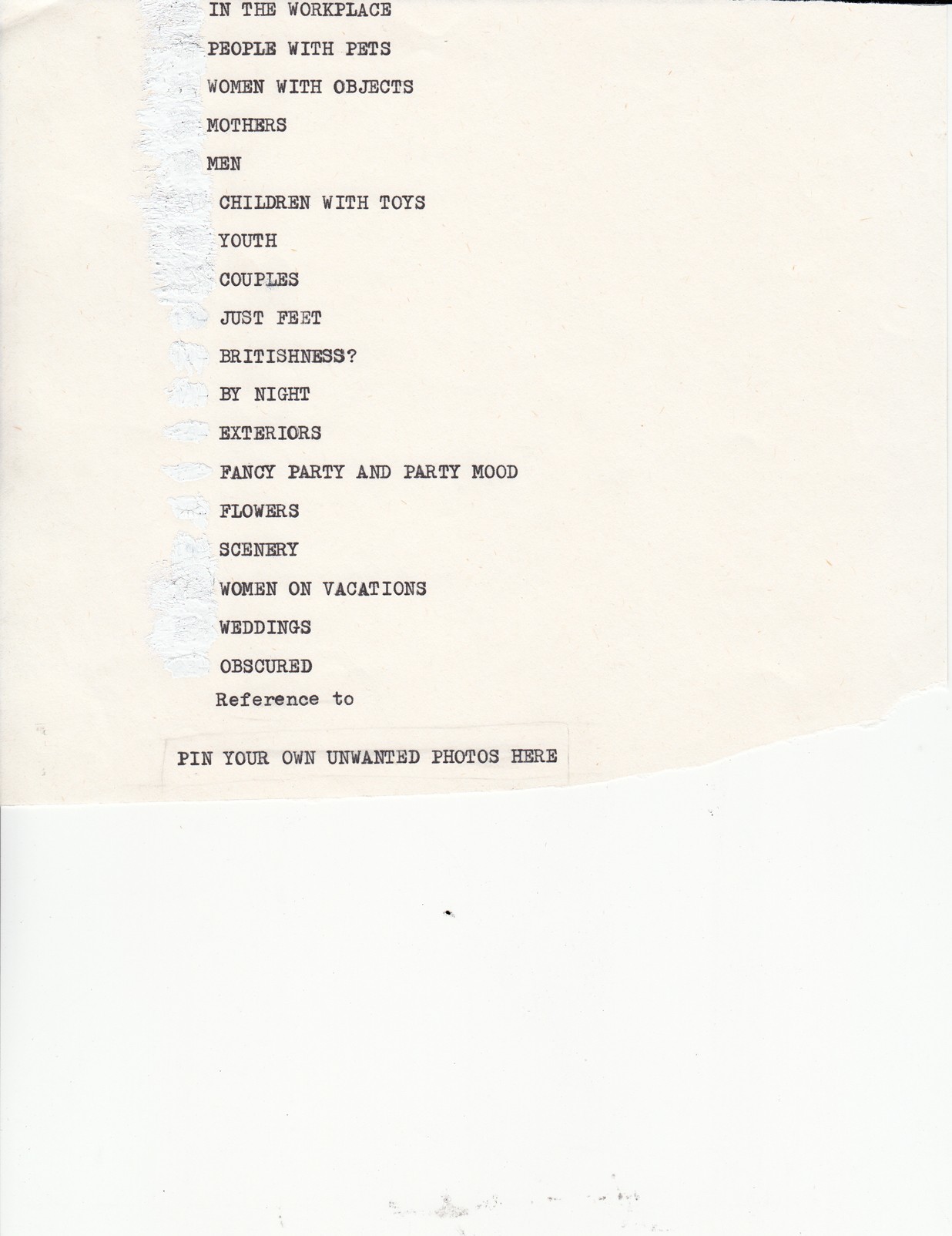
Another darkroom exhibition came in the form of ‘Photos you Didn’t Want and Photos you
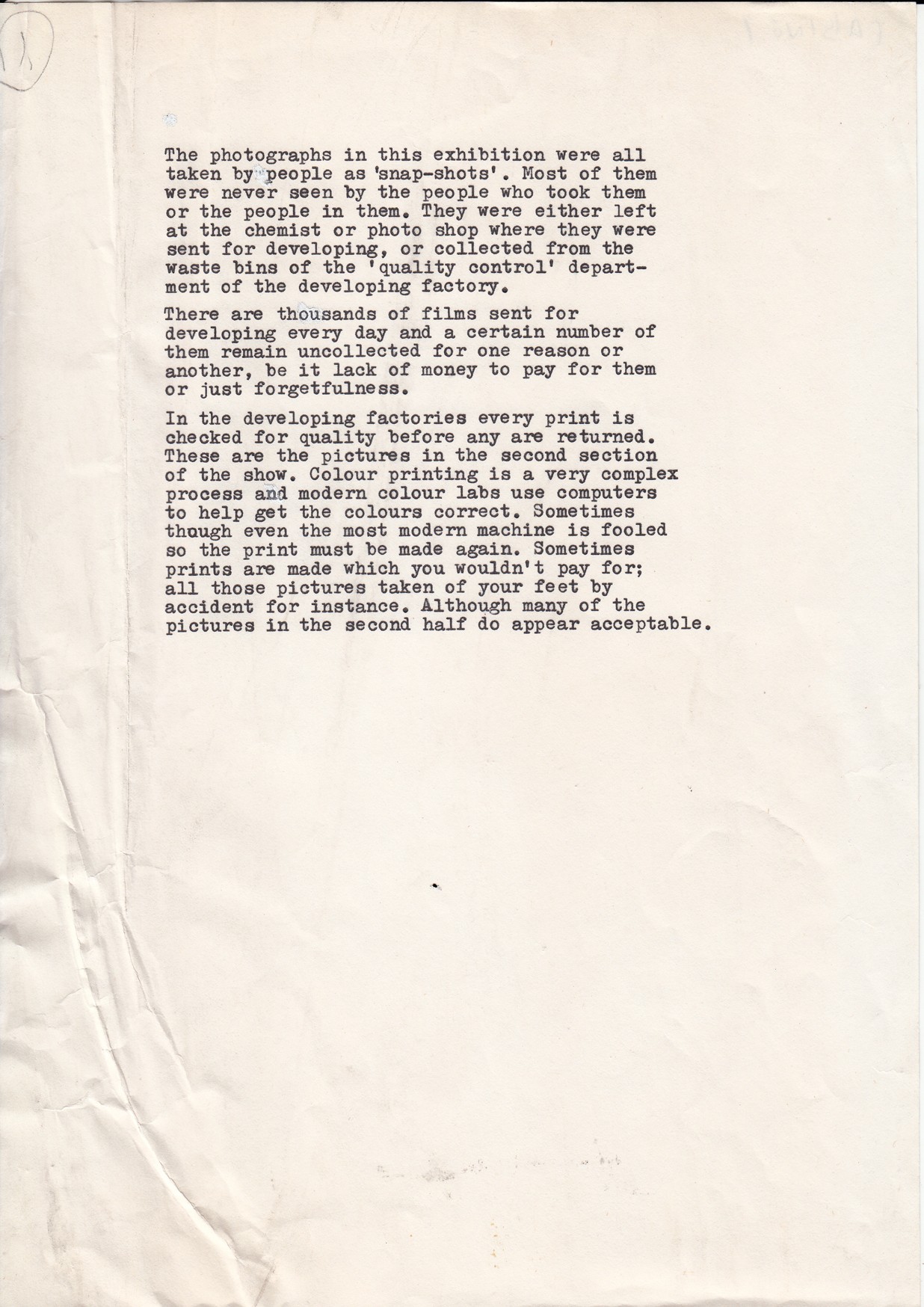
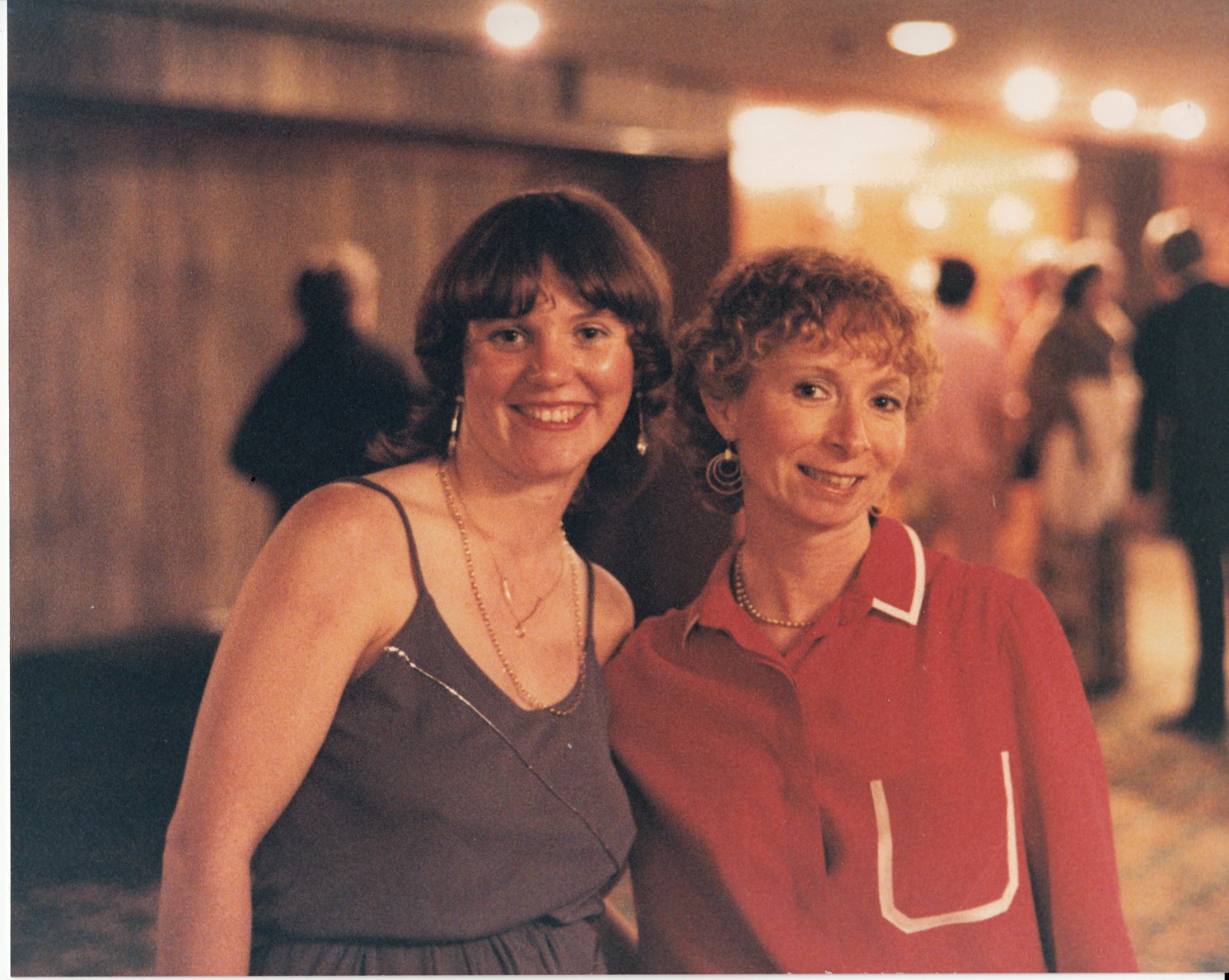
Couldn’t Have. This explored the culture of ‘snapshot’ style photographs that were unseen
by those who took them. Either they were left uncollected or discarded due to printing or
colour issues that didn’t meet quality control standards. The exhibition invited viewers to
explore the context of the ‘snapshot’ images and the lives of the subjects beyond the
reasons why the images were left behind or discarded.
Another darkroom exhibition came in the form of ‘Photos you Didn’t Want and Photos you
Couldn’t Have. This explored the culture of ‘snapshot’ style photographs that were unseen
by those who took them. Either they were left uncollected or discarded due to printing or
colour issues that didn’t meet quality control standards. The exhibition invited viewers to
explore the context of the ‘snapshot’ images and the lives of the subjects beyond the
reasons why the images were left behind or discarded.
Annual reports from this time show Camerawork’s continued efforts to connect the
darkroom and the gallery. The 1982/83 report mentions that darkroom users helped
prepare exhibitions in the gallery space. These collaborations gave new artists important
exposure and brought fresh, community-driven ideas to the gallery’s programs.
This progress continued into the mid-1980s, and in October 1985, the gallery held the
‘Home Entertainment’ exhibition, which included work by darkroom users such as Rebecca
Haines. Her photograph appeared in both the show and a Camerawork booklet, showing
how darkroom artists were becoming more central to the gallery’s vision.
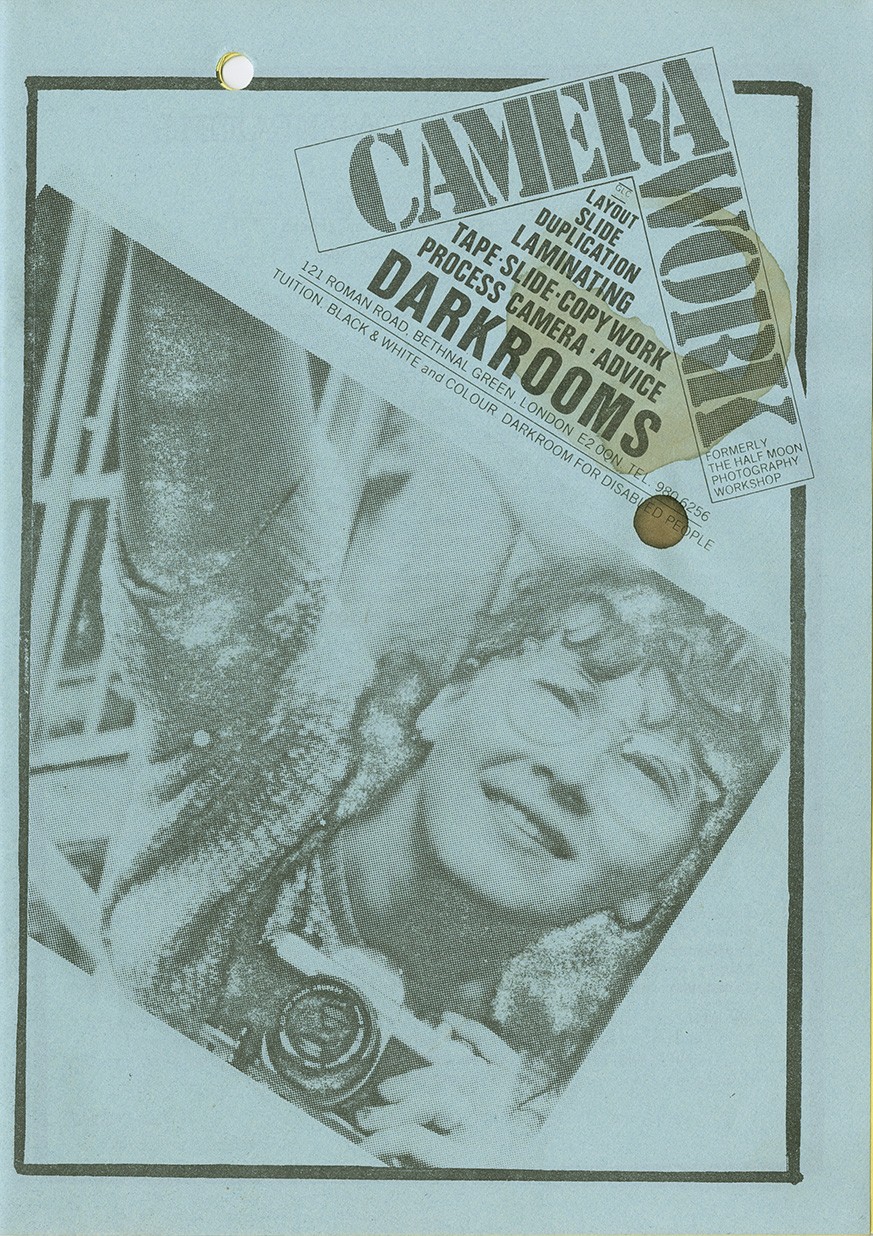
To reach more people, Camerawork made sure the darkroom’s activities were often
featured in the Camerawork Magazines. Issues 29, 30, and 31 all included double-page
spreads and comments from darkroom users. These features celebrated the darkroom’s
creativity and showed that it was a key part of Camerawork’s ethos.
Bringing the darkroom into the gallery and publications changed how Camerawork worked
as a whole. What started as a difficult relationship became a stronger partnership. The
darkroom brought new energy to the gallery’s programs, and the gallery gave darkroom
artists a place to share their work. This led to exhibitions that showed the community’s full
range of talent and publications that captured the ongoing exchange between making and
showing art.
Camerawork’s darkroom was more than just a place for technical work; it was a key part of
the organisation’s public and cultural identity. By bringing the darkroom and the gallery
spaces together, Camerawork ensured that every step of the photographic process, from
developing to showing work, remained connected, collaborative, and open to everyone.
This article was written by Charlie Stanley who is an emerging museum professional specialising in collection care and cultural heritage digitisation. Charlie currently works at the British Museum and was previously at the Victoria and Albert Museum. Alongside her professional practice, she has a strong passion for film photography and darkroom’s which led her to explore the Four Corners archive and draw together the research behind this mini series as part of her final project for the MA in Museums, Galleries and Contemporary Culture at the University of Westminster.