The Hitchhiker's Guide to Self-Representation: A contemporary manual modelled on the Four Corners Film Workshop
Screens are everywhere, and the moving image dictates how we receive information about ourselves and the world, with young people being a highly impacted demographic.
On one side, we are bombarded by short-form videos that commodify happiness: conflicting mental health advice, ultimate wellness strategies, fashion trends that blur by at lightning speed.
Simultaneously, we face the misinformation and hyper-fragmentation of the wider world outside of our personal bubble. Callous escalations of war, human rights abuses, and environmental disasters are presented to us sandwiched between hyperreal humour and consumerist fancies.
A dizzying combination that hinders our sense of self and our sense of agency.
But for young people to make, screen, and discuss films as representations and interpretations of their reality can be an act of empowerment and demystification, cutting through the chaos of screen media.
This guide looks at the Youth Cinema Workshop to explore what it took to foster a youth-centred cinema counterculture at Four Corners in the 1980s, and what it would take to replicate it today.
1. THE SPACE
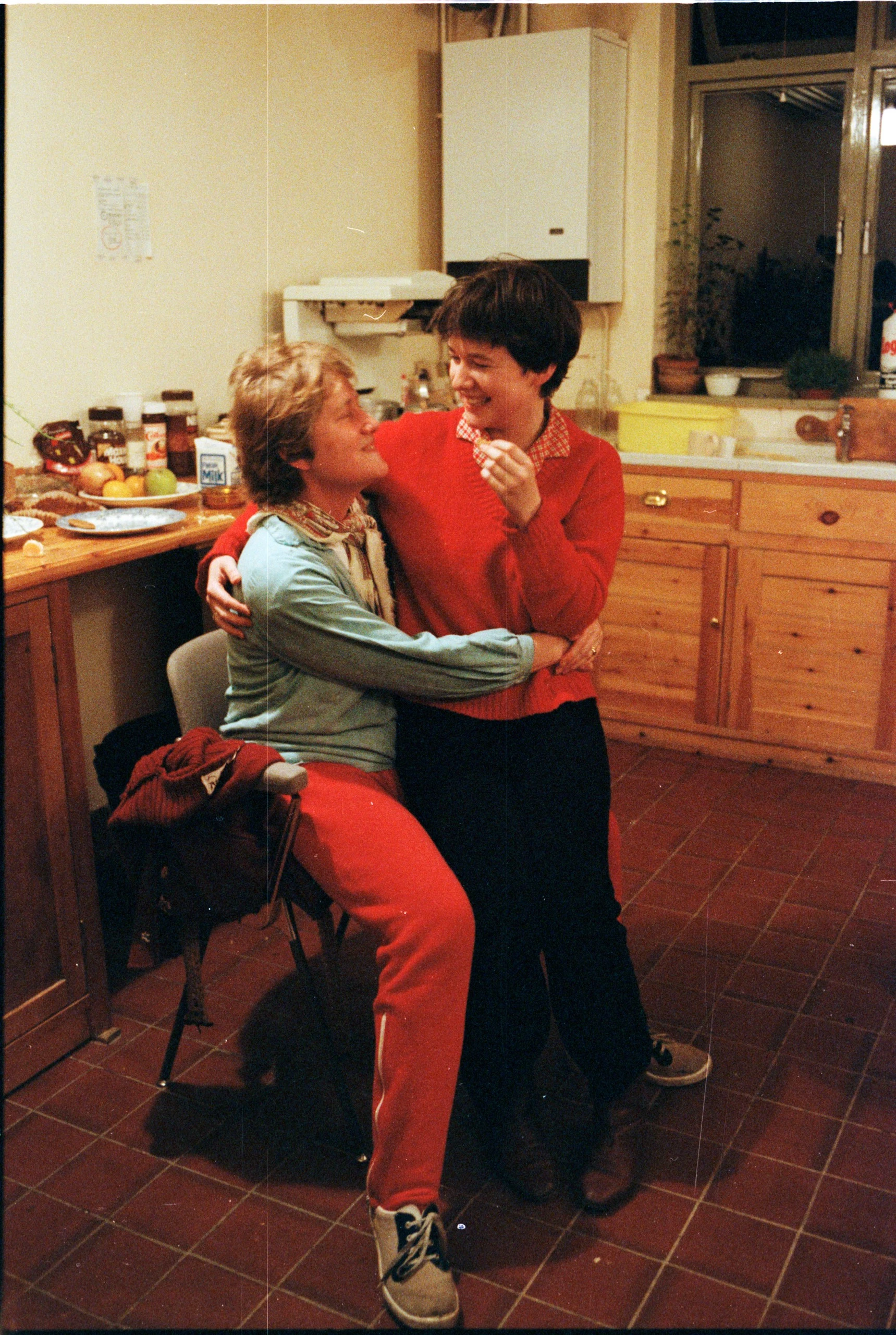
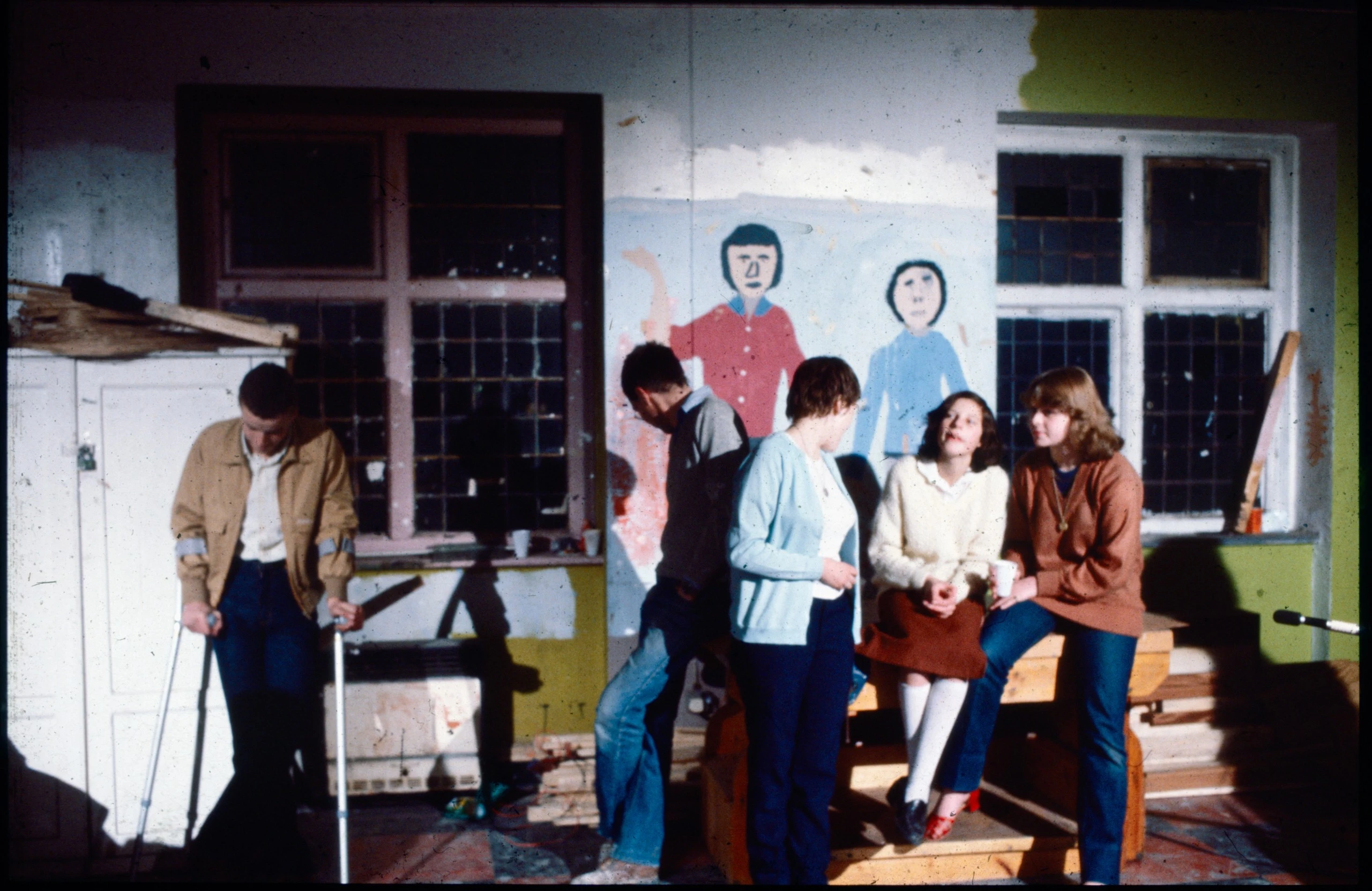
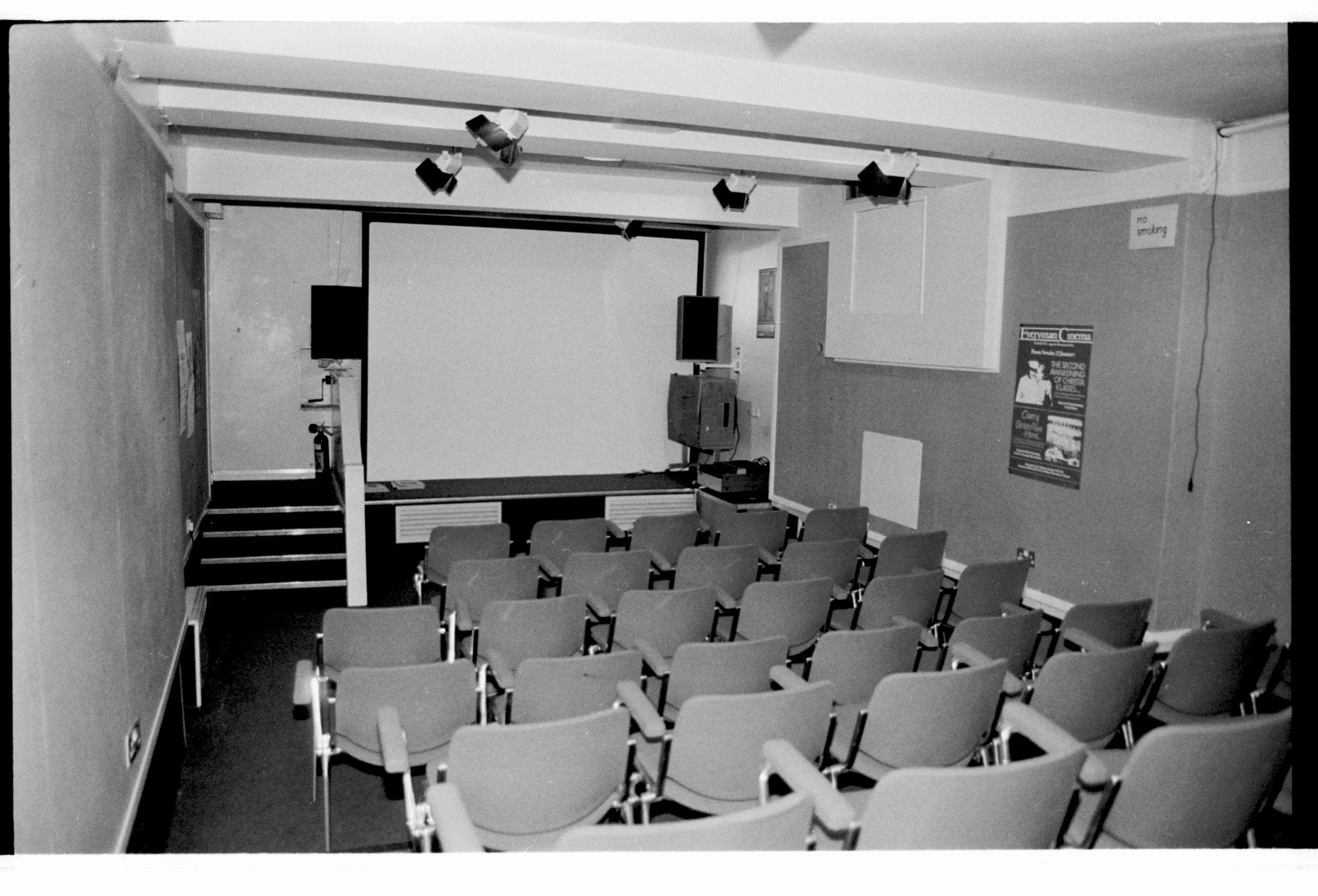
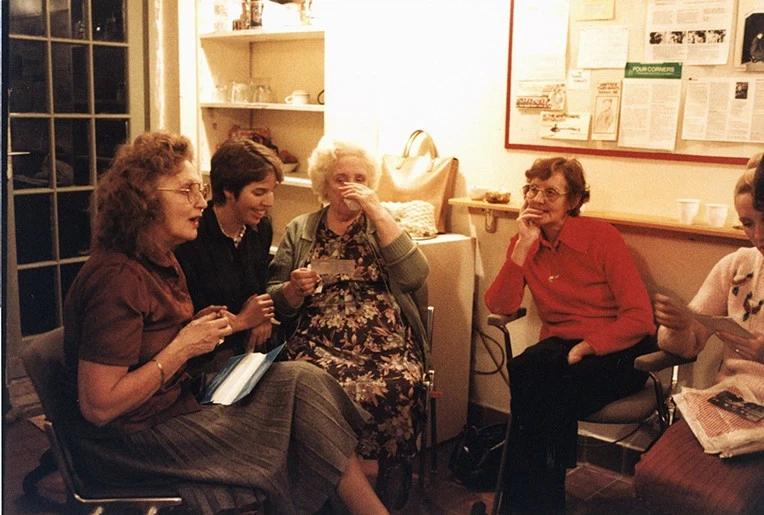
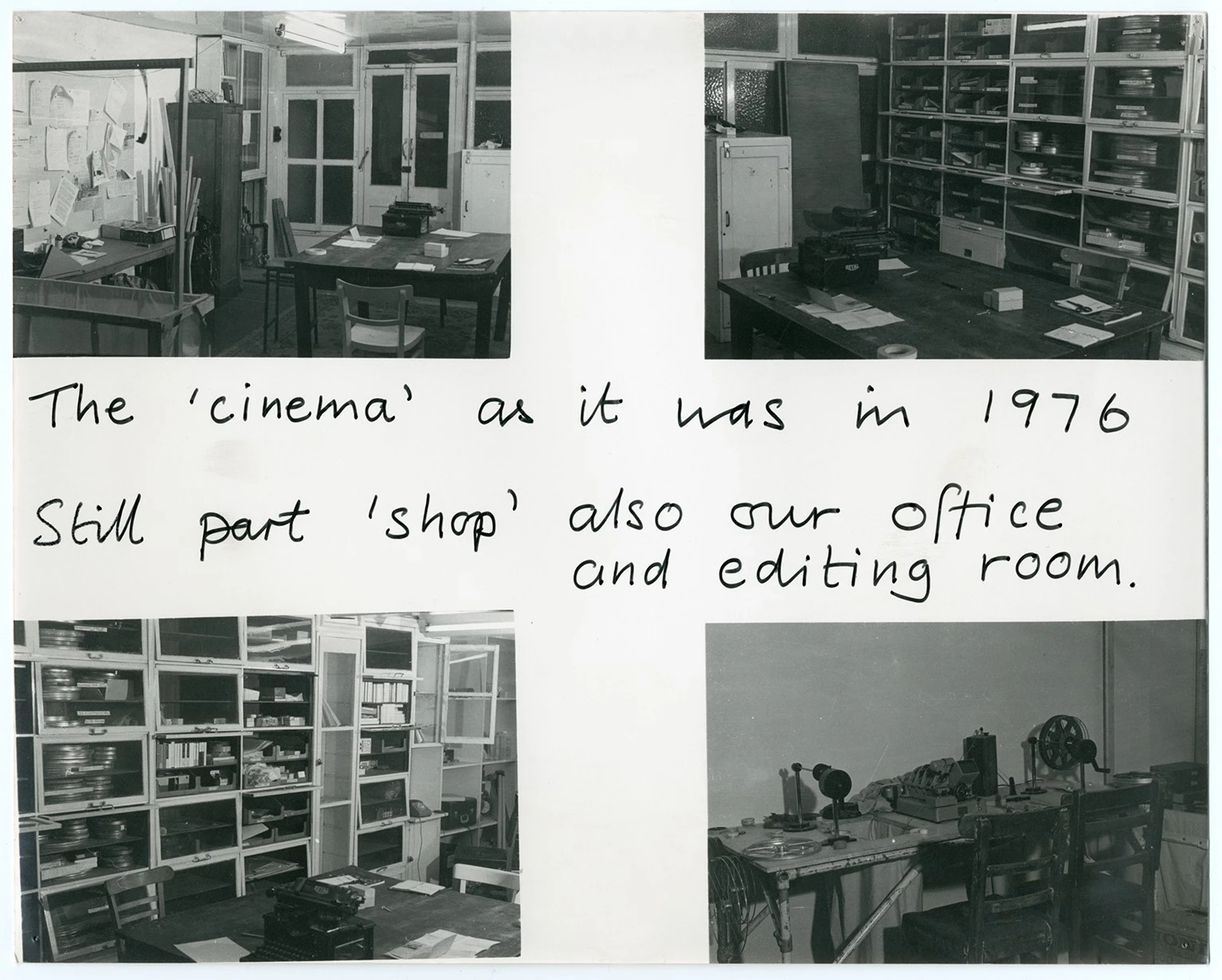
Any collective creative endeavour involving young people needs a space that is free, safe, and creates a sense of belonging.
The Cinema Workshop had a consistent turnout over the years because it decentralised institutional venues, bringing materials and educators directly to the young people of Bethnal Green. The workshop provided a communal kitchen and allowed for self-regulated attendance. New members were welcome to come and go regardless of production roles, which allowed for the participation of young girls who were expected to look after their younger siblings after school. Instead of staying at home with them, they could bring them along!
How many spaces allow young people to come and go free of charge today? Cultural institutions provide community engagement projects on tight funding schedules, but belonging can only be fostered over time.
2. ACCESS TO EQUIPMENT
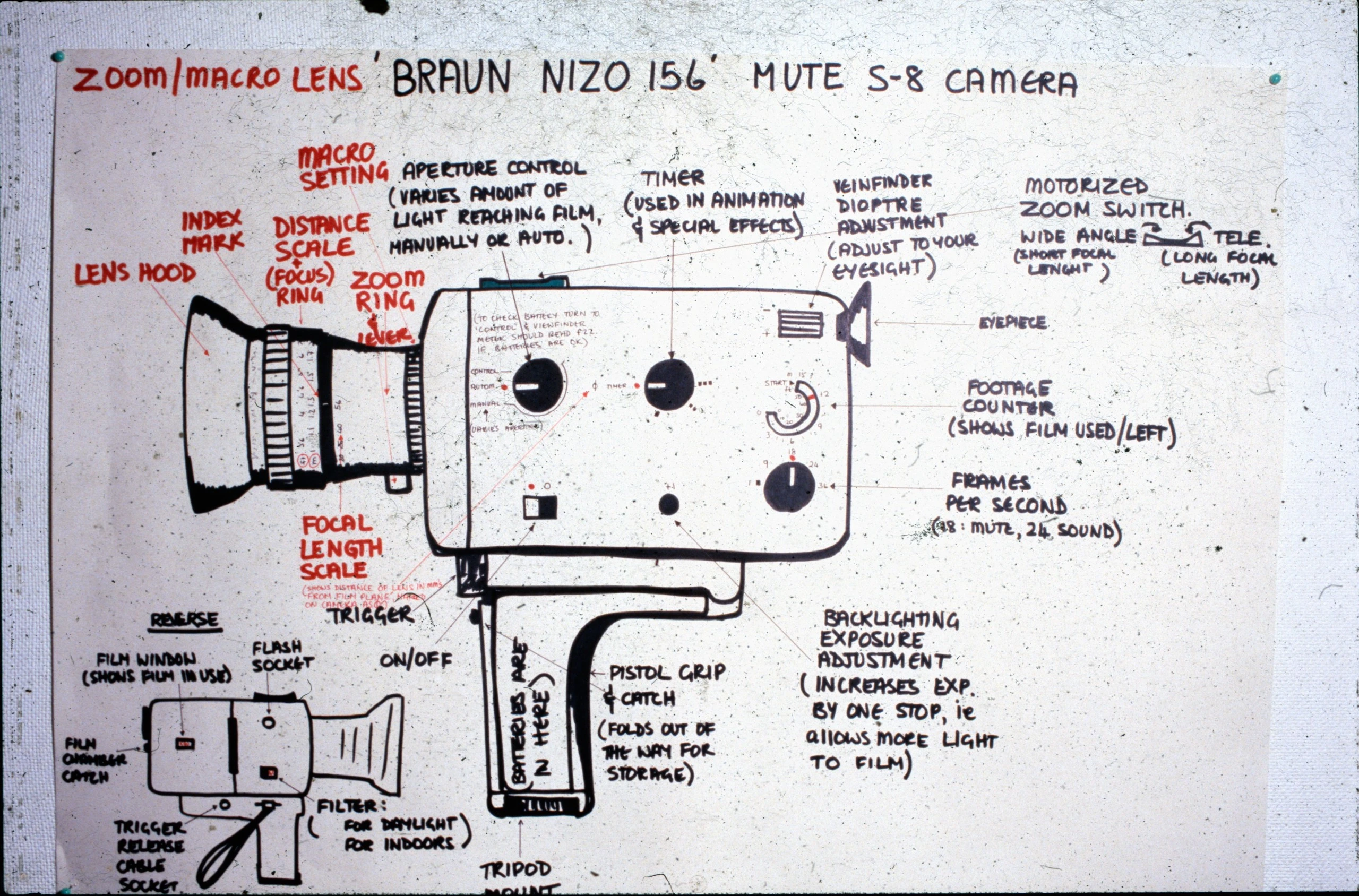
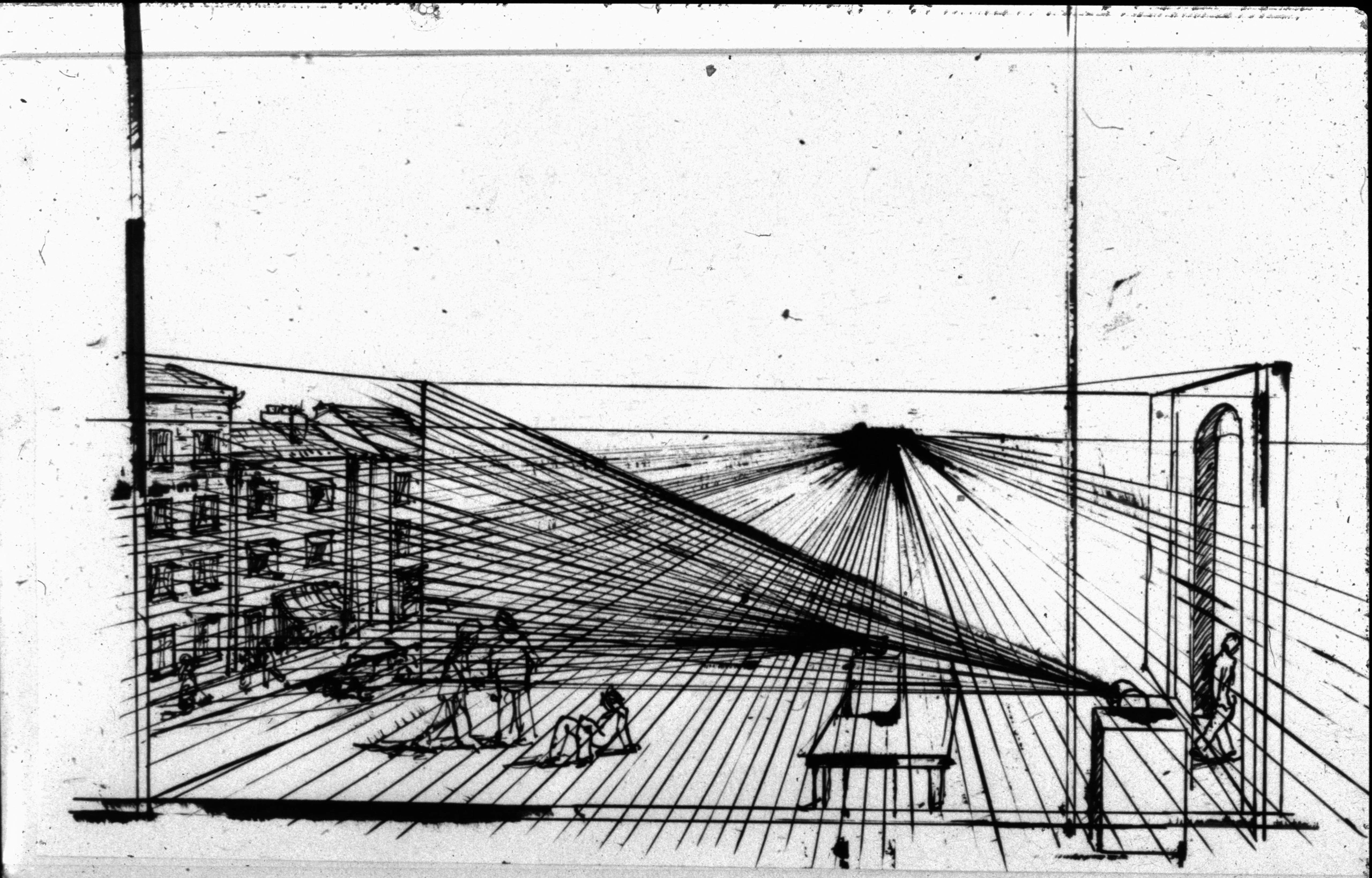
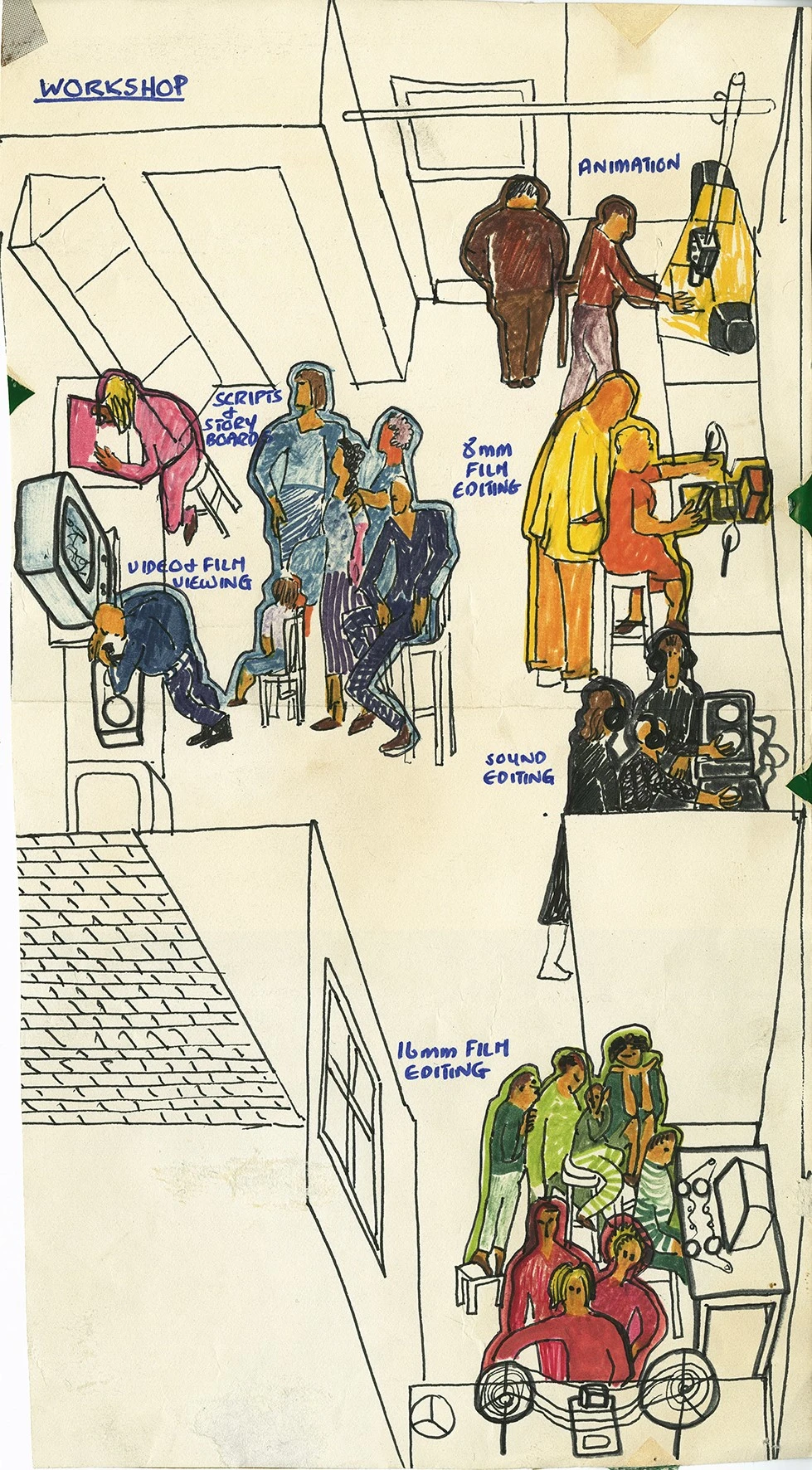
Access to professional film equipment allowed workshop participants to realise that cameras were no more than objects that could allow them to create any visual reality they liked. Participants reported that the workshop was the first place where they realised they too could be artists.
This knowledge could help young people today to cut through the chaos of screen media and frame it as an abundance of conflicting stories. Practical artistic education breaks down the practice of film and photography, empowering young people to create images on their terms instead of being subject to them.
Practical artistic education breaks down the process of film and photography. Increasing understanding of how images are made, and how they can impact us can empower young people to create images on their terms instead of being subject to them. Today, similar techniques could be used to cut through the chaos of screen media and frame it as an abundance of conflicting stories.
And while we all have access to cameras on our smartphones, practising with a less immediate medium could be a way to ground creative practice into our everyday lives without being “connected”.
3. HANDS ON!
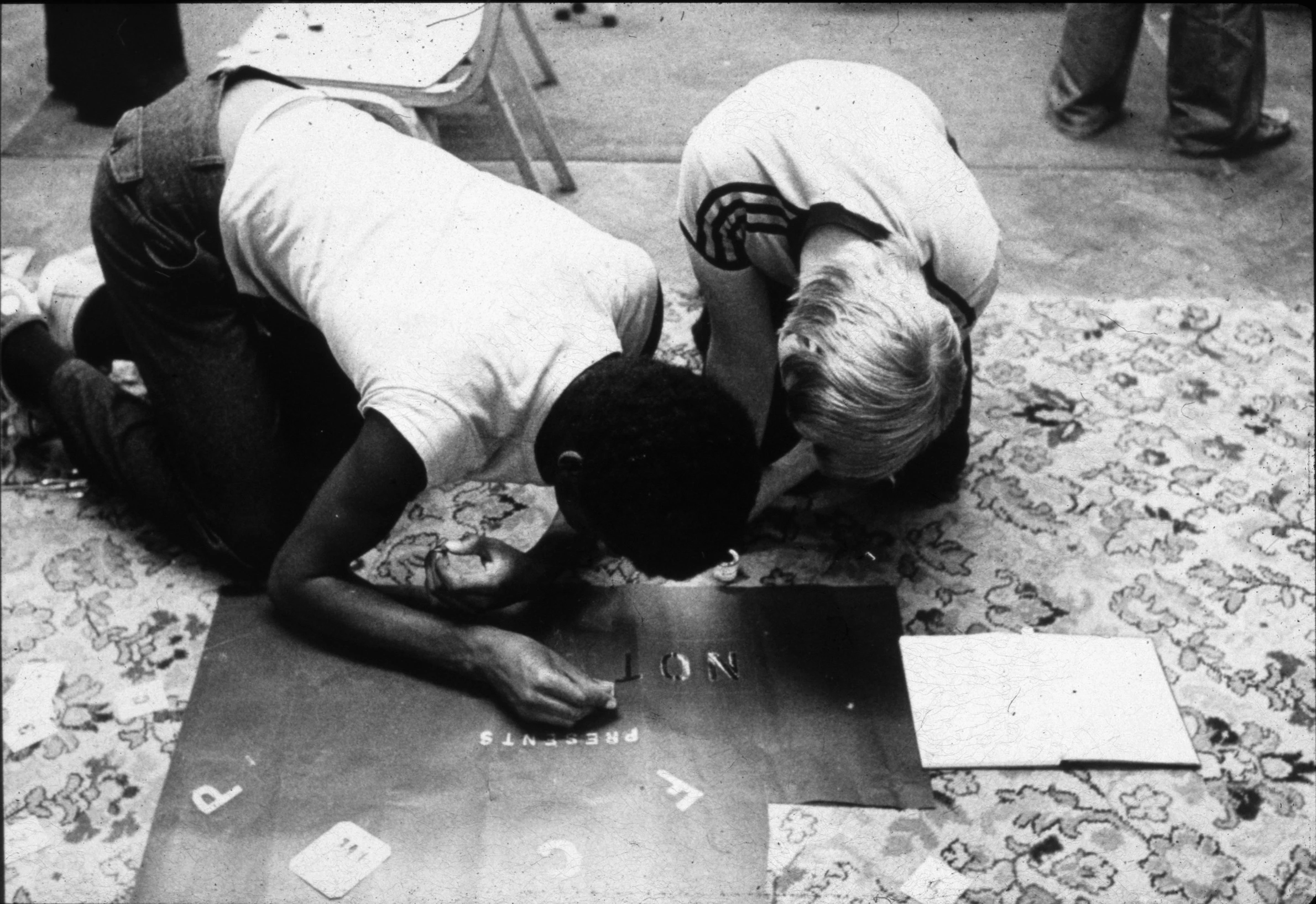
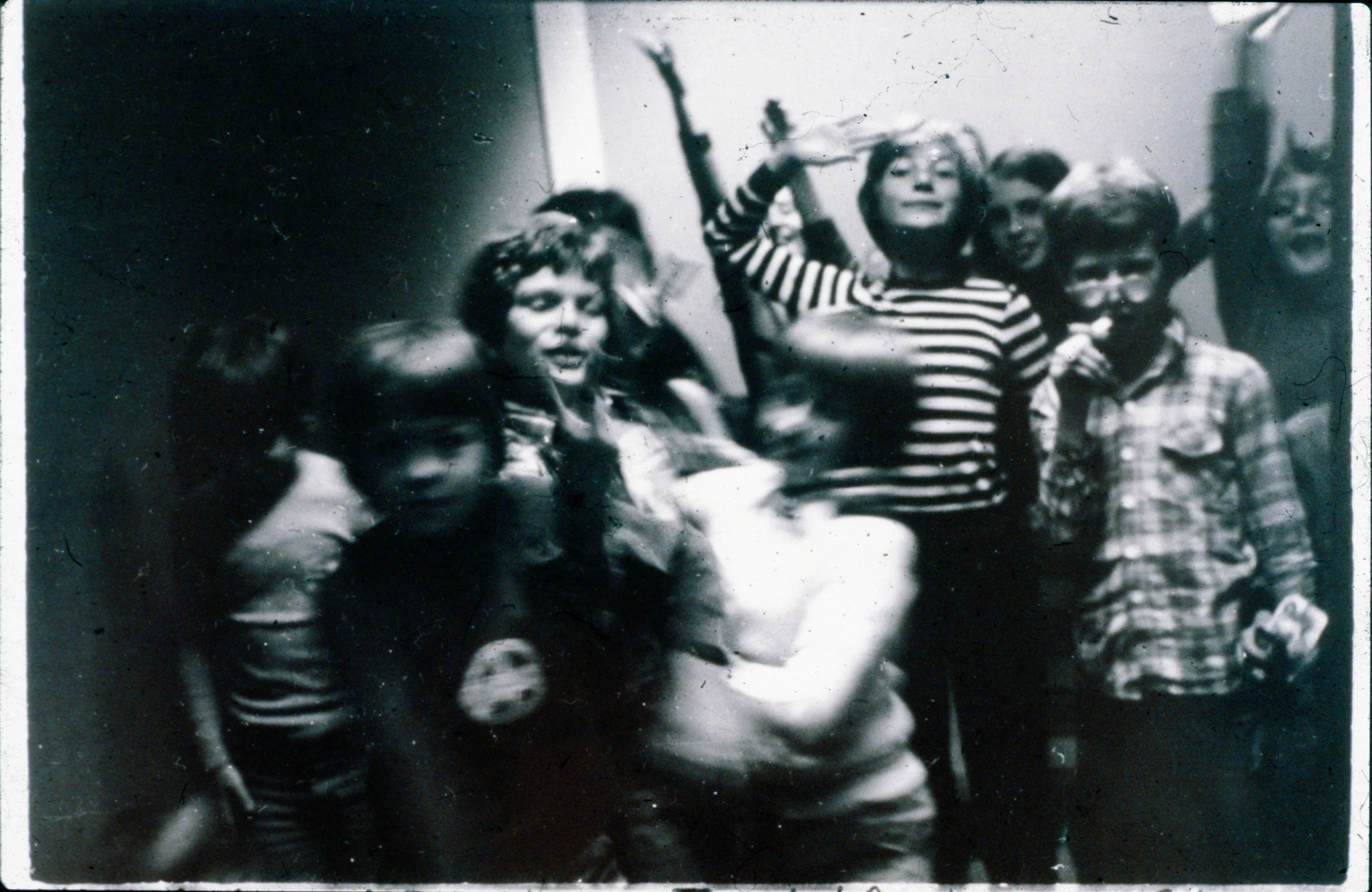
How do we come up with ideas?
Online screen cultures provide young people with near infinite inspiration and outlets, but they also encourage sameness of speech, style, and format. The Youth Cinema Workshop was far more contained, yet allowed participants to find their own voice.
The key difference between these two settings is creative agency.
Young people turn to the internet for self-expression, to fulfil a universal desire to be seen and understood. However, algorithms reward marketability, and marketability relies on sameness for ease of consumption. A TikTok video that replicates a successful formula makes more views than a playful experiment. So, we replicate ourselves to connect.
The workshop filled a similar gap. Participants came together to exercise their creative muscles in a space that existed outside of the social constraints of school, work, and the family home. Since the workshop fostered connection and presence, they came up with ideas unburdened by the thought of how many people might watch their films.
No replication was needed.
4. RECORD SLOWLY, BIT BY BIT
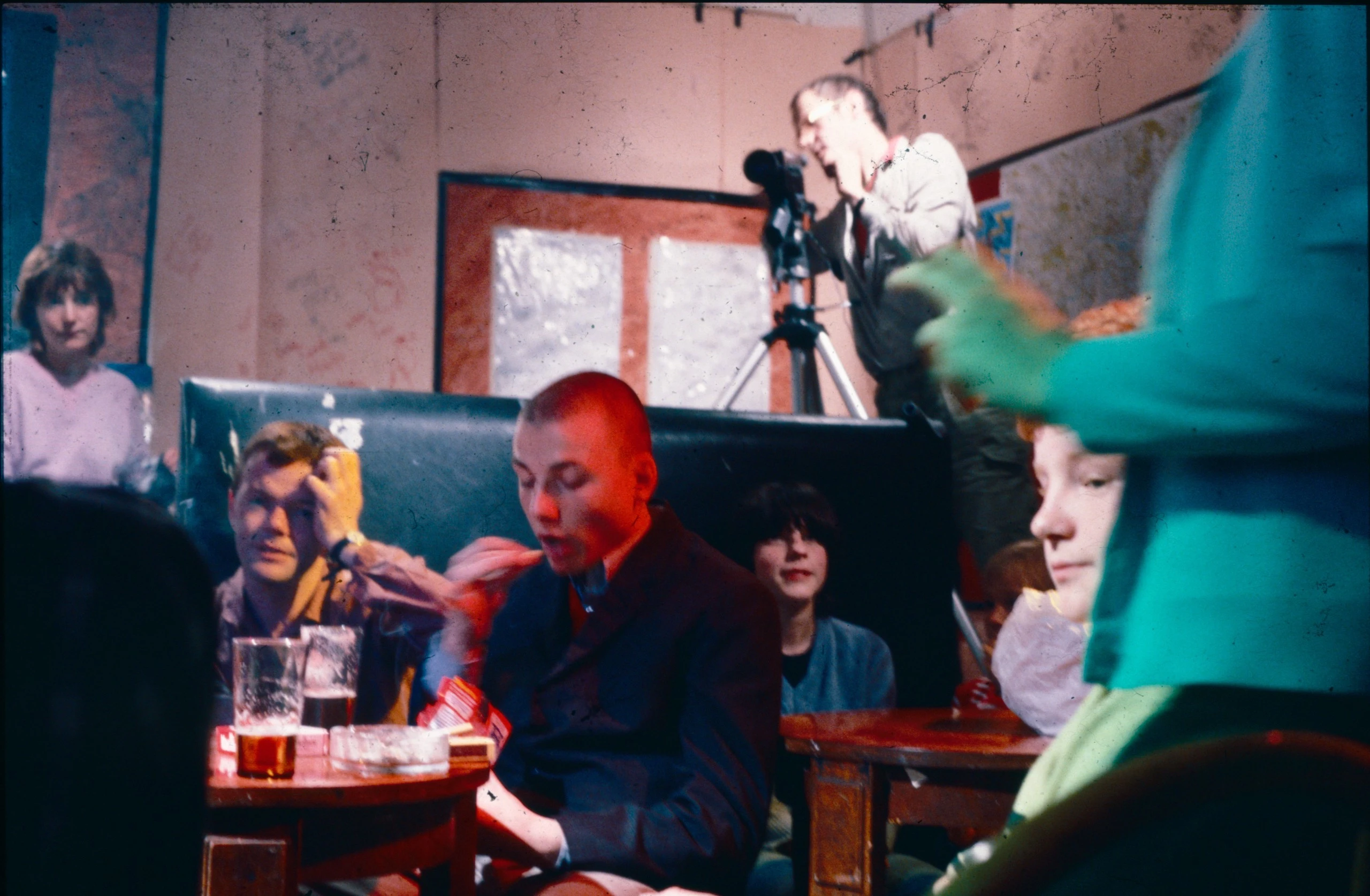
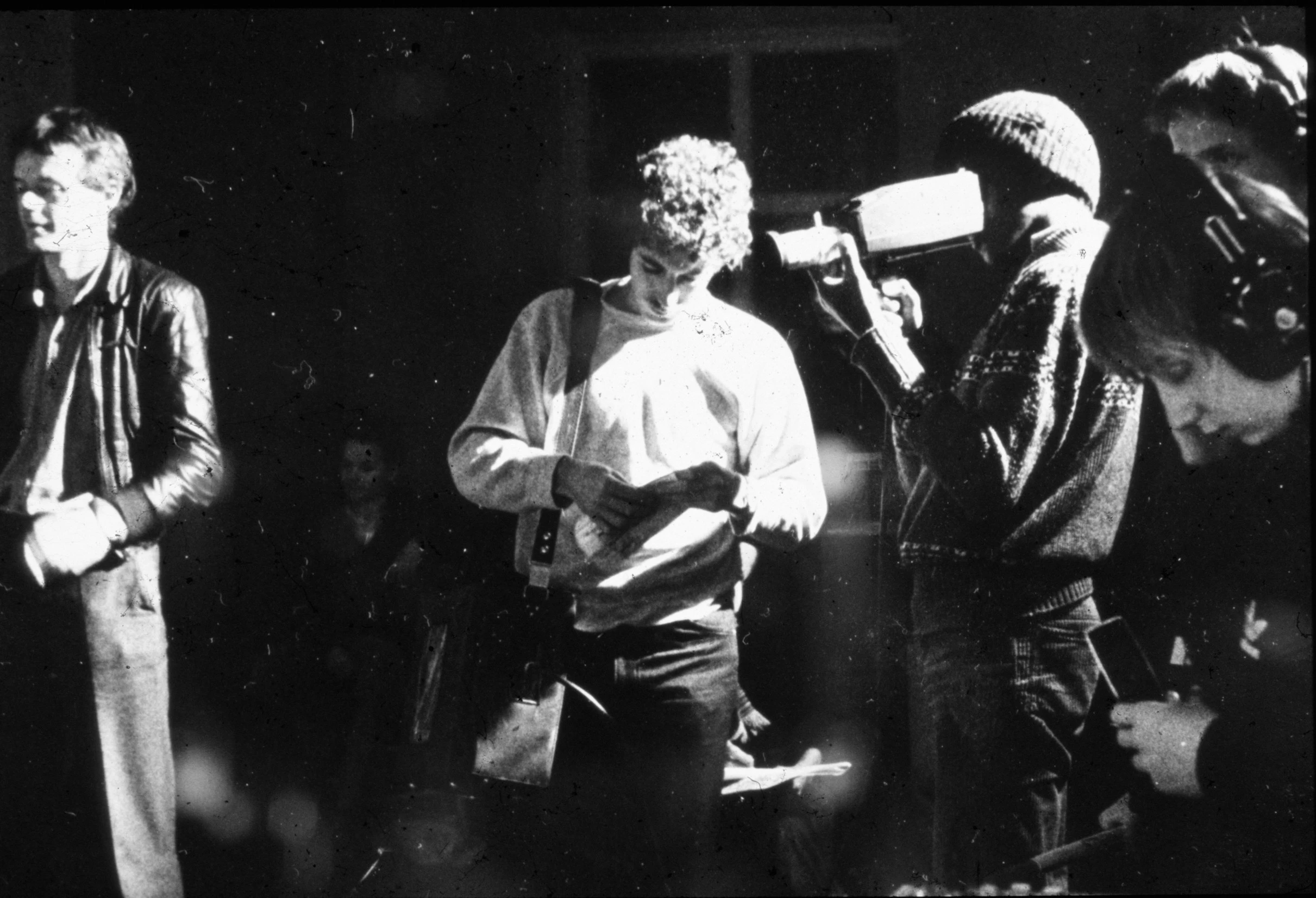
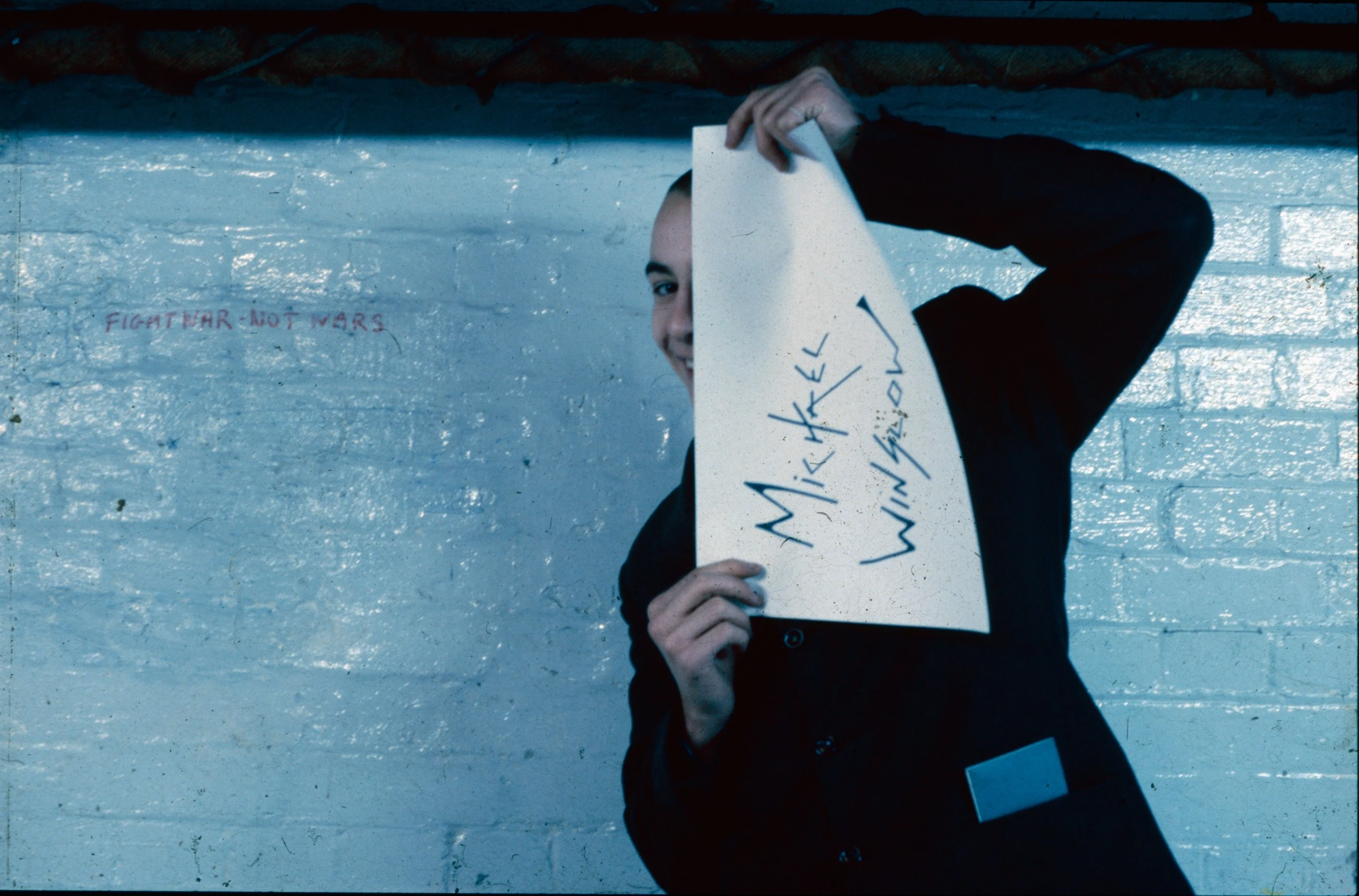
Creative play, the physical act of picking up materials and making something out of them just for the sake of it, was the first step towards self-representation at the workshop. Participants made puppets, doodled on the walls, and ad-libbed to come up with stories together. This created a relaxed environment where issues surrounding youth representation came up organically.
Mind you, practising play did not mean working in the absence of a goal. In fact, working on a long-term project like “Don’t Think So” (1980) was a deciding factor in keeping participation up. But the slow and exploratory pace of the workshop allowed kids to get to the result in their own time instead of adhering to an institutional schedule.
A creative culture that rewards play allows young storytellers to find their craft through the monotony of practice. If the point of the space is that people are there to learn, why do youth programs prioritise polished results over fostering a love of the process?
5. SHOW AND TELL
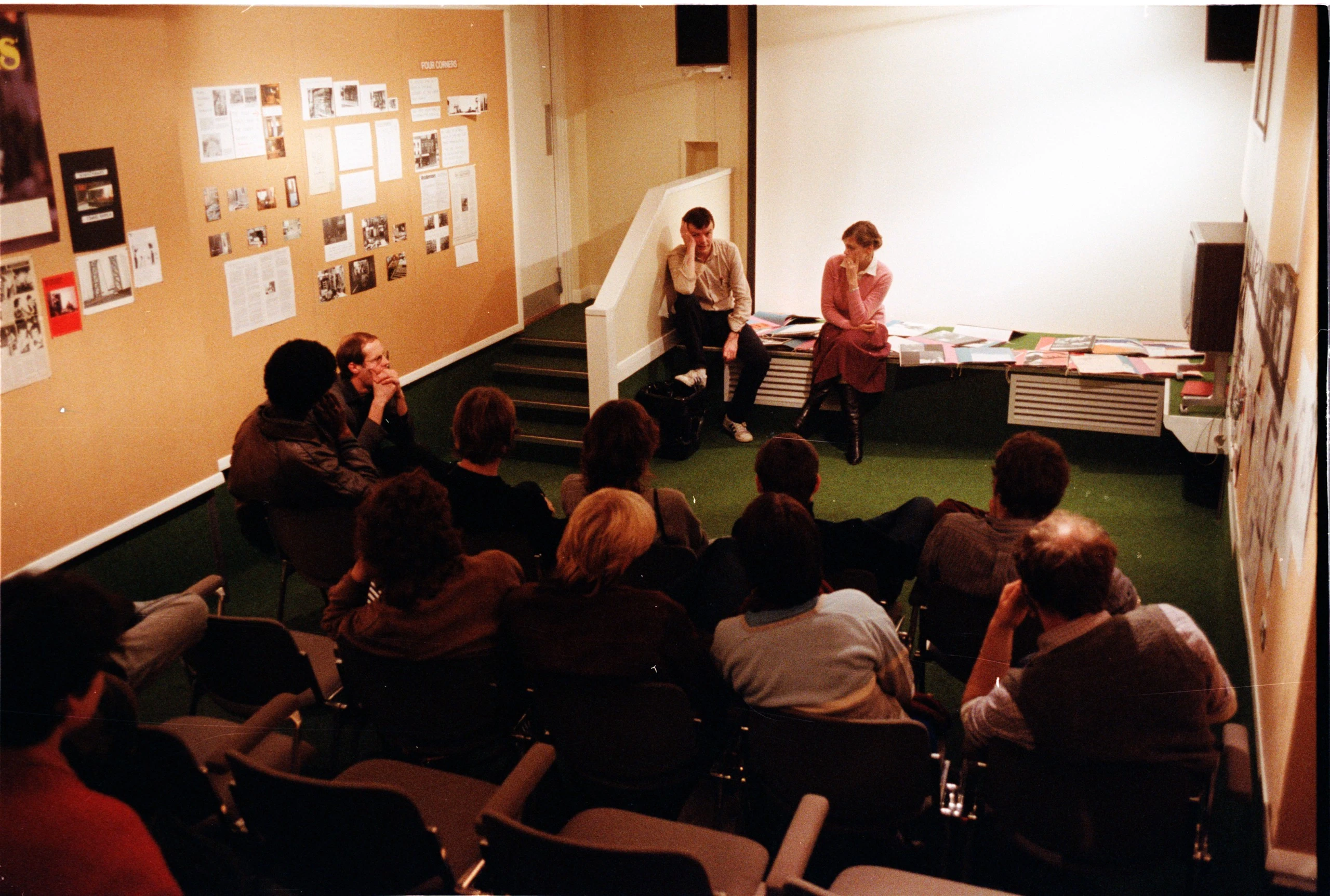
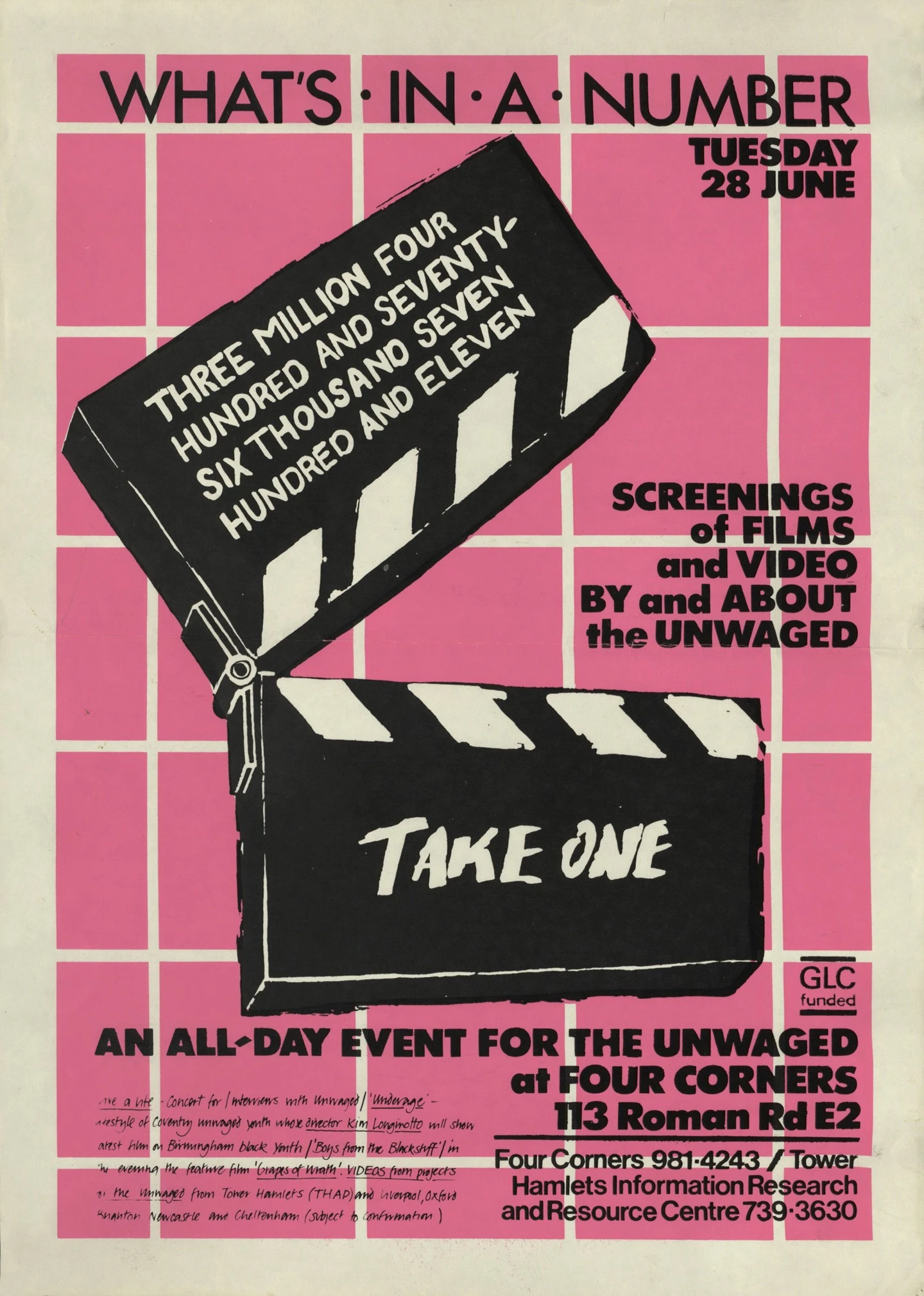
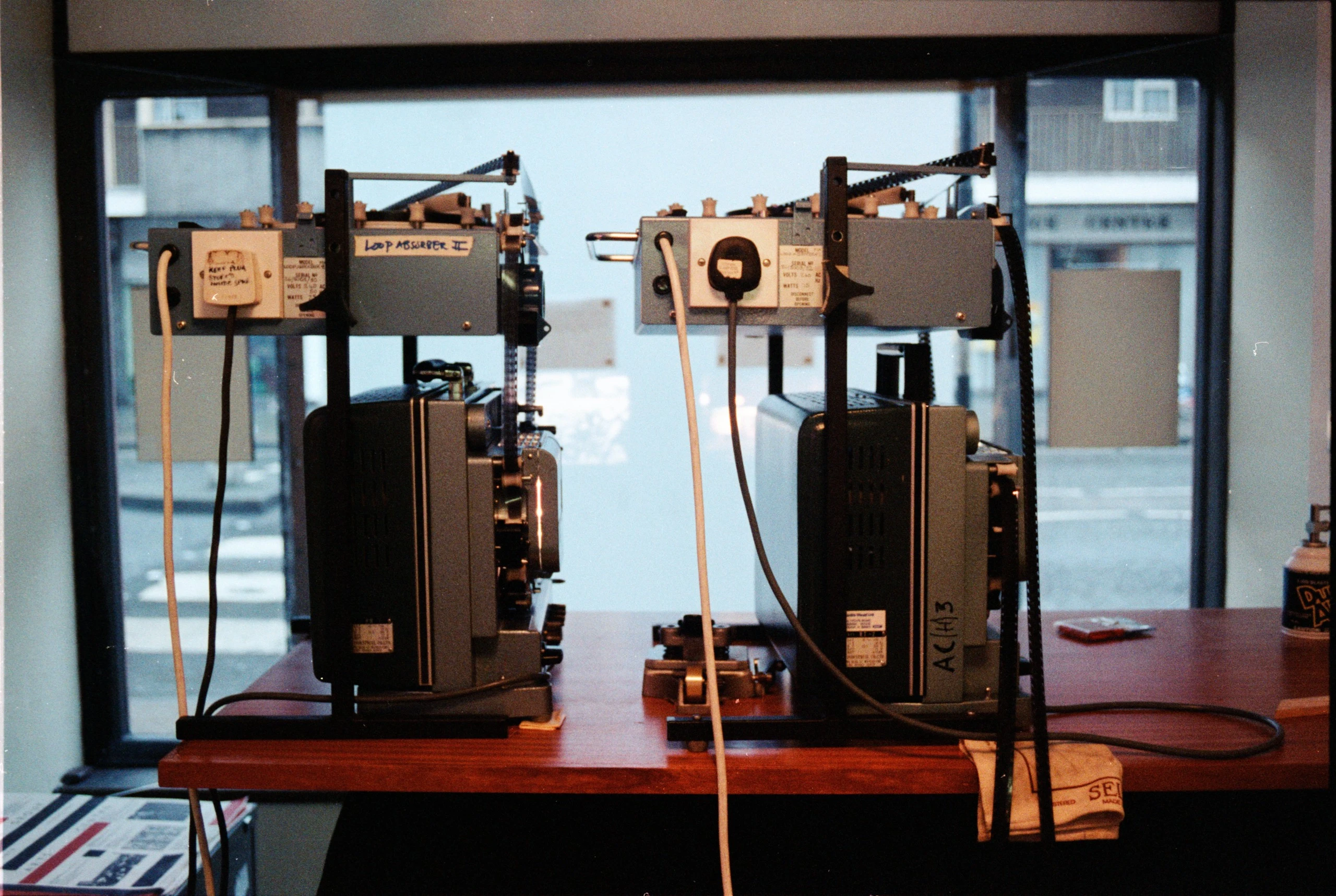

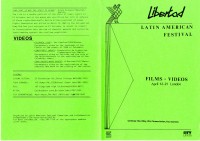
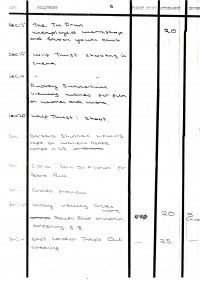
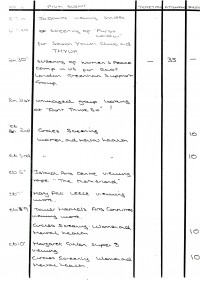
As part of the workshop, participants had access to weekly film screenings. These events were curated to compare different types of image-making: commercial films, independent work, and community projects.
Participants were encouraged to reflect on how different types of films portrayed issues relevant to their day-to-day realities, such as class, race, gender, sexuality, or the fear of nuclear escalation. Through these screenings, the workshop actively encouraged young people to be critical of screen media and not take it as a straightforward reflection of reality. Plus, it empowered them to spot gaps in social representation and provided a space for peer-to-peer learning that was not found in the vertical hierarchies of school and home.
Four Corners also curated film seasons in collaboration with community groups working in the neighbourhood. These included screenings on women’s health, the rights of the unwaged, and the everyday lives of the Bengali community in East London.
Although screen cultures have moved away from the traditional cinema space towards streaming platforms, curated screenings could still provide young people with a different kind of space to connect, learn, and discuss.